When Nice Kids Do Mean Things
Help your child repair and learn from mistakes
When Nice Kids Do Mean Things
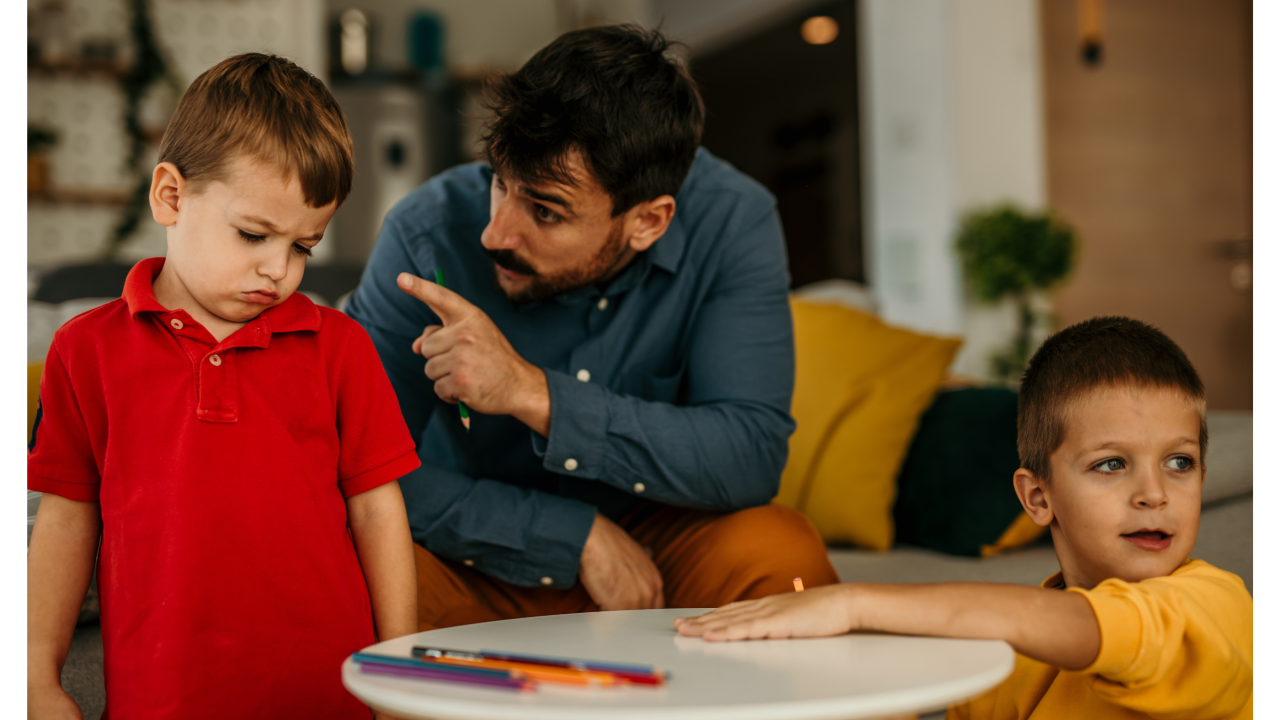
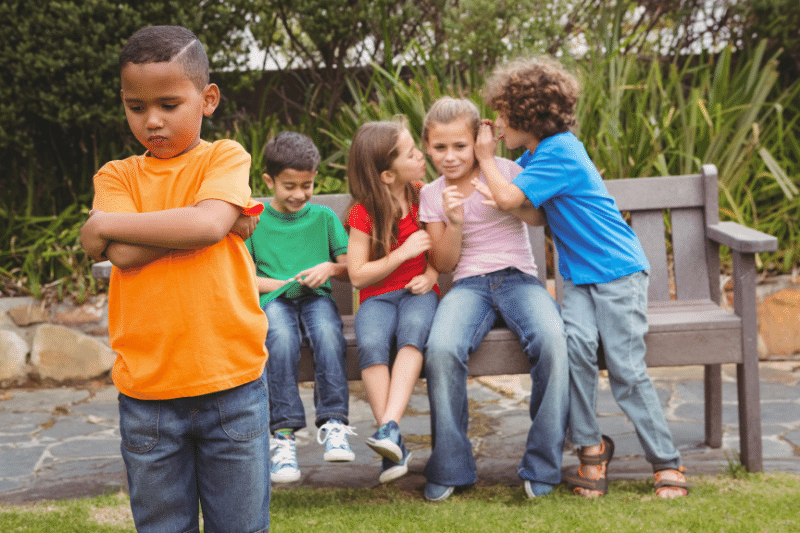
Have you ever gotten that call from a teacher or a friend’s parent that your child said something mean, excluded someone, or hurt someone’s feelings?
Or maybe you hear them making fun of a sibling or saying something completely out of character.
Your stomach drops, and your internal voice starts...
- But my child is kind. Why would they say that?
- I wonder who they learned that from?
- What if this is something bigger?
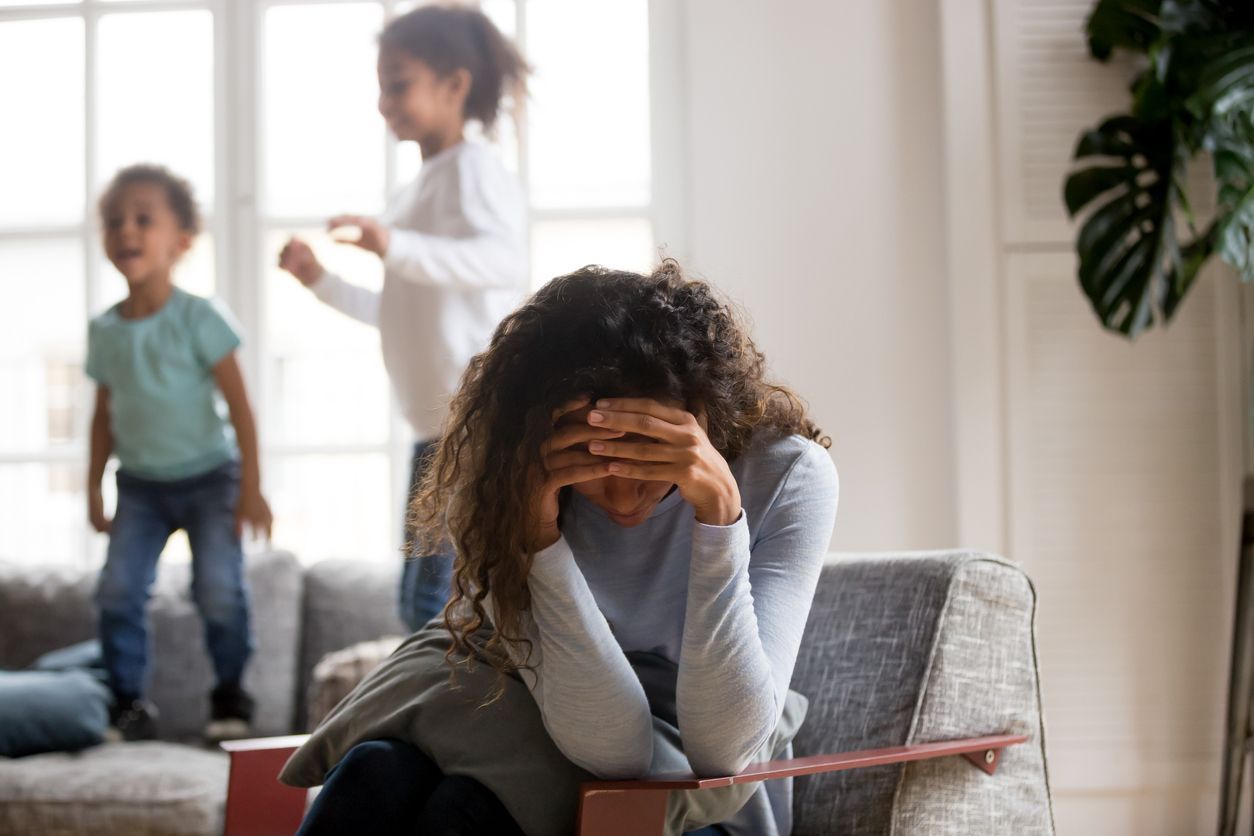
When our children behave in ways that don’t line up with who we believe them to be or in ways that go against our values, it can be really unsettling.
...and that’s when fear can take over. So we react by saying,
- “That’s so mean!”
- “How could you say something like that?”
Our intention may be to teach kindness, but without meaning to, we shame our child. And shame doesn’t help them learn how to do better; it makes them feel bad about who they are.
Kind kids are capable of unkind behavior
Being a kind, caring child doesn’t mean never doing something unkind.
Kids are human. They feel jealous, get angry, strive to fit in, and can feel left out. They get embarrassed, frustrated, insecure, impulsive, and overwhelmed.
Since they’re still learning the skills to manage those feelings, sometimes those feelings come out in ways that hurt others.
- A child might exclude another child because they're worried about a friendship.
- They may make fun of someone because everyone else is doing it and they desperately want to belong.
- They may say something cruel to a sibling because they’re angry and don’t know how to manage the anger.
- They may lash out because they felt embarrassed.
Understanding what led to the behavior doesn’t make the behavior okay. It just helps us know what skills they still need to learn.
Leading with curiosity is not the same as excusing behavior
Seeking to understand where a behavior comes from is not the same thing as letting your child off the hook. Curiosity and accountability can exist at the same time.
We can say, “We don’t hurt people with our words. Let’s talk about what happened.”
That keeps the boundary clear and keeps the door open for learning.
Instead of immediately asking, “How could you do that?” or “What’s wrong with my child?”, get curious:
- What was happening for my child in that moment?
- What were they feeling?
- What was the behavior communicating?
- Were they protecting themself? Looking for a reaction?
Understanding what happened makes accountability more meaningful.
“You’re mean” vs. “That was hurtful”
Language matters. Saying “You’re mean” labels the child, and “That was hurtful” names the behavior. When we separate our children from their behavior, we give them room to take responsibility without believing that their mistake defines them.
A child who thinks they’re mean may feel shame, and a child who thinks, “I said something hurtful,” has room to do something about it.
They can reflect, repair, and learn to handle their feelings differently next time. We can help them understand their impact
The goal is to help a child to begin to develop the understanding that their behavior affects others.
Once everyone is calm, you can ask:
- “What was going on right before you said that?”
- “How were you feeling?”
- “How do you think your friend felt when you said that?”
- “What could you do now to make things better?
- “What would you do differently if this happens again?
You’re helping your child connect the dots between feelings, actions, and impact.
Repair is a skill
Everyone makes mistakes in relationships. The goal isn’t to raise kids who never hurt someone; that’s impossible. The goal is to raise a child who learns what to do after they’ve hurt someone's feelings.
Recognizing impact, taking responsibility, repairing, and communicating feelings are all skills that matter in all relationships.
Those skills aren’t learned through shame, but through practice, guidance, boundaries, and connection.
Your child’s worst moment isn’t their identity
When our kids do something hurtful, it’s easy for our mind to jump ahead; that’s fear.
But one unkind moment is not a child’s entire identity,
Behavior is information. It tells us where our child may need more support or practice.
Our goal isn’t to convince our children they should be “nice”; it’s to help them grow into people who can be jealous without tearing someone else down. Who can handle rejection and disappointment. Who can recognize when they’ve caused harm. Who know how to repair.
We want our kids to grow up knowing that making a mistake doesn’t mean they're a bad person; it means there's something they need to take responsibility for.
That’s how we raise kind kids.
Not by expecting them to always be kind.
But by helping them learn what to do when they aren’t.
Connection doesn’t remove accountability. It creates the safety children need to actually learn from it.
Best,
Andrea Robbins, M.Ed | Parent Coach | Parenting Vistas