Back to School, Part 2
Andrea Robbins • August 19, 2025
3 Simple Tips to a Smooth Transition
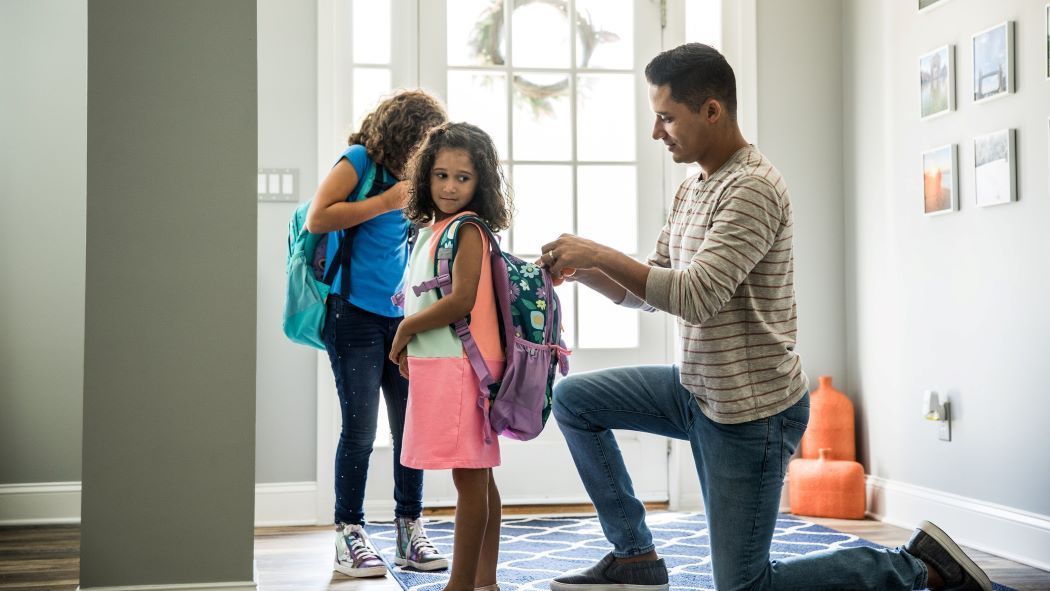
Easing the Back-to-School Transition
As a former teacher turned parenting coach, I understand how challenging a new school year can be for both kids and
parents. The shift brings new routines, new expectations, and lots of big feelings.
Bottom Line: Transitions are hard!
The truth is, even exciting transitions ask a lot from our kids (and us!). The good news? With a little intention, you can set the tone for a calmer, more connected start.
And remember: a smooth transition doesn’t mean everything is stress-free. It means you’re showing up with presence and care, allowing them to feel and express their feelings, and helping your child navigate the changes with confidence.
Here are 3 simple ways to ease into the new year:
✨ Preview what’s ahead
Talk with your child about what school will look like. Walk through their schedule, visit the school if you can, or simply wonder aloud together: “I wonder what lunch will be like?” This helps kids feel prepared instead of surprised.
✨ Anchor your mornings with routine
Morning chaos is often the biggest stressor. Create a rhythm that works for your family, whether it’s a breakfast ritual, a visual checklist (with pictures if they are not reading yet), or a few minutes of calm connection before the day begins. Predictability builds security.
✨ Focus on connection, not perfection
No one gets it right every day. What matters most is your relationship with your child. Take time for small moments of connection: snuggles before bed, shared laughter, or a quick check-in after school. These little things matter more than flawless routines.
Back-to-school is the perfect time to reset family routines. If you’d like help creating a plan that works for your unique family, schedule a free call with me here https://calendly.com/andrearobbinsparenting

How to build resiliency

Help your child repair and learn from mistakes

There's a reason why your child does better on school days
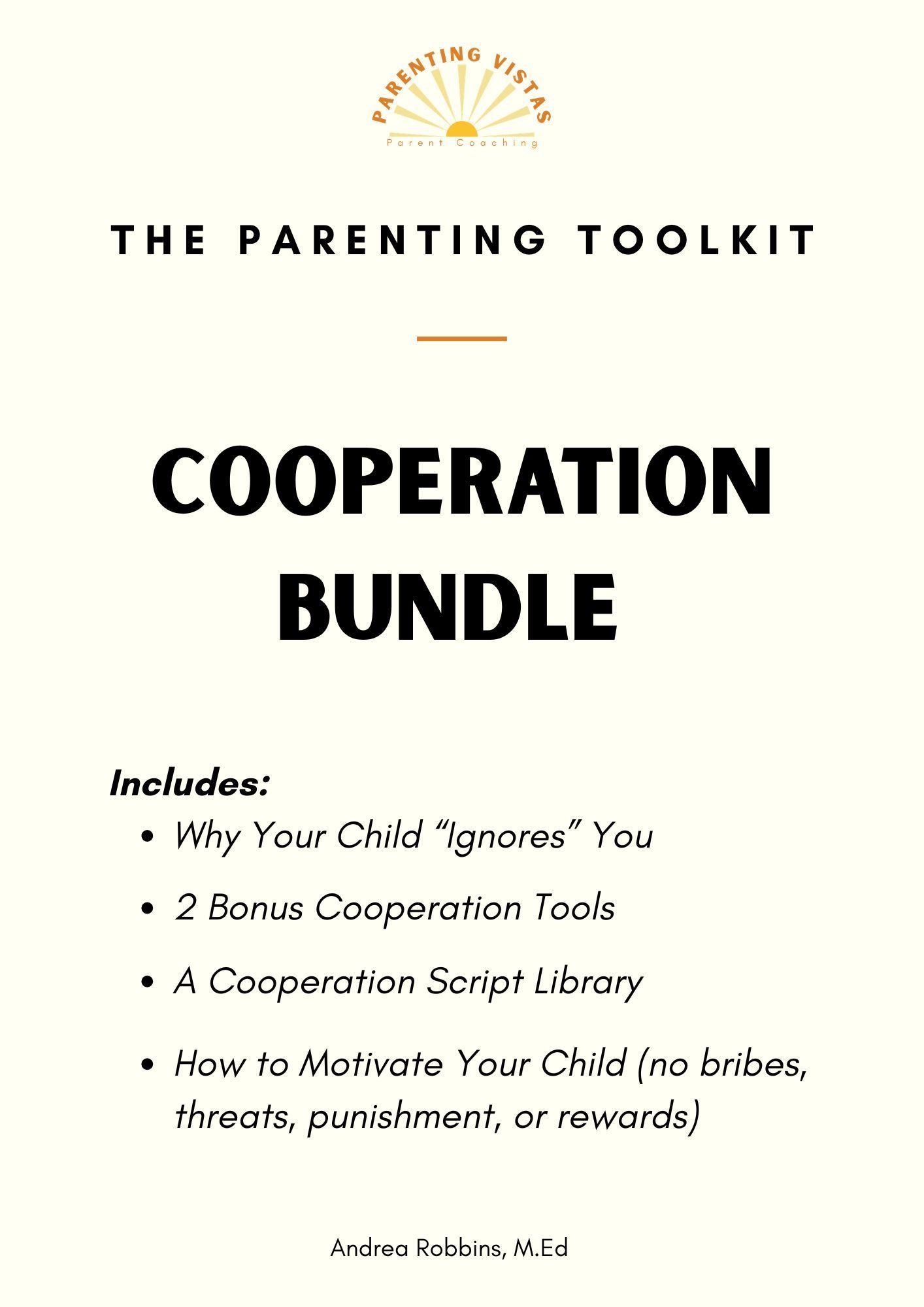
I'm really excited to share something new I've been working on! I'm creating a Parenting Toolkit , and the first resource of the bunch, The Cooperation Playbook, is finally here! The idea rose from my work with parents, where I kept seeing the same need: parents who want practical tools they can use in the moment, something they can easily access when they're completely overwhelmed and wondering, "What now?!" If you're a parent who is tired of repeating yourself (only to have your child still not listen) and getting stuck in power struggles, this is for you. In the Playbook , I break down the challenges behind your child not listening. Here you'll learn 6 tools to meet your child where they are, hold boundaries, and gain cooperation without yelling, threats, bribes, or rewards. You can find The Cooperation Playbook here or The full Cooperation Bundle here. The bundle includes: The Cooperation Playbook (11 pages), 2 bonus cooperation tools, a cooperation script library, and a guide on how to motivate your child for lasting cooperation I'm happy to answer any questions; you can respond directly to this email. Warmly, Andrea Robbins, M.Ed | Parent Coach | Parenting Vistas

Tips for a smoother start

What Charlie Brown was Trying to Tell Us

...and how it relates to parenting

The dreaded public meltdown
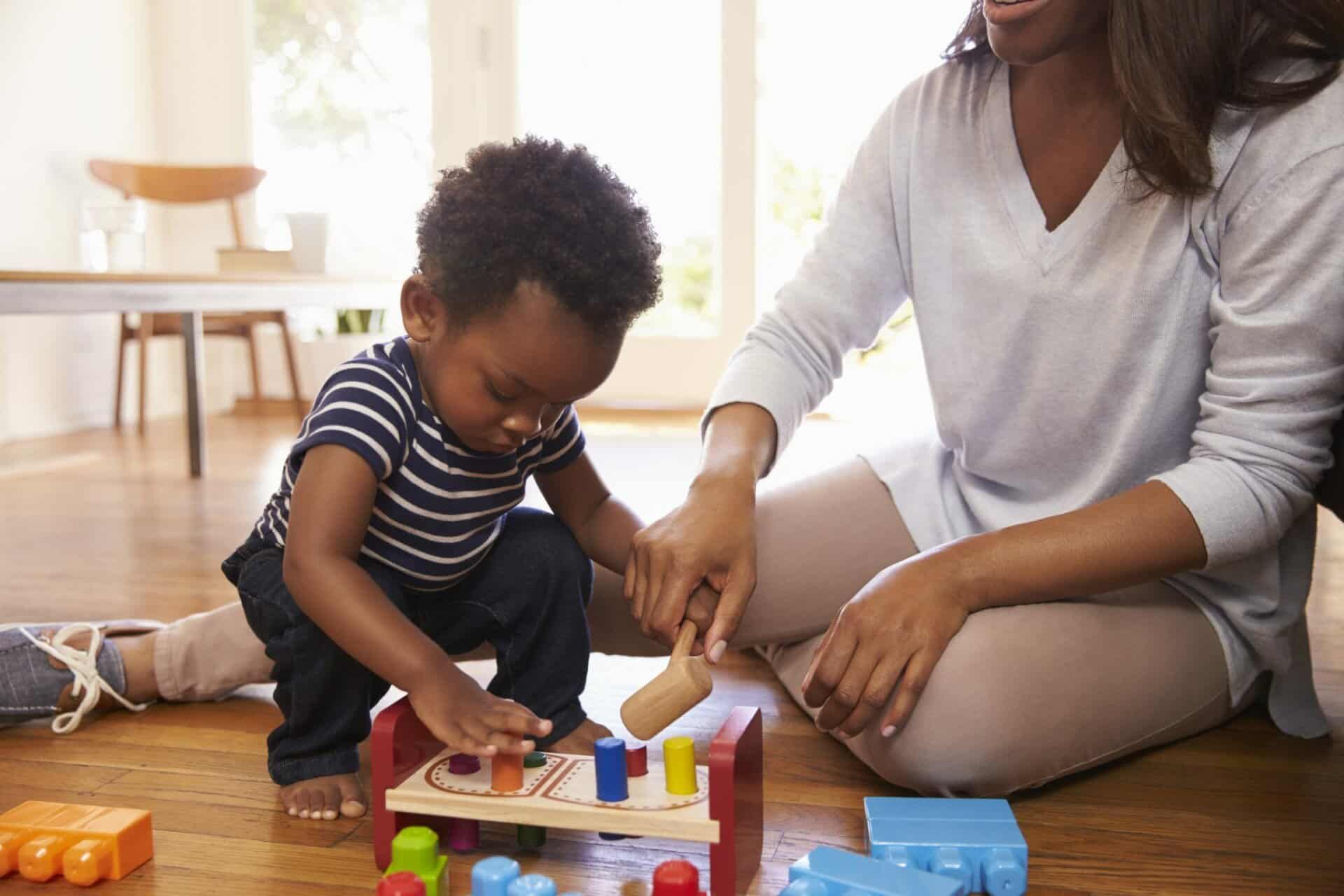
5 Simple Ways to Connect With Your Toddler (That Actually Leads to Cooperation and Resiliency) Connection isn’t something extra to do when there’s “time”. It's something you build into your everyday moments, and it’s what makes everything else work. 1. Get on their level Sit on the floor, make eye contact, and enter their world. This instantly decreases power struggles and invites connection (and cooperation) 2. 10 minutes of “Special Time” Let your toddler lead the play. No phone. No directing. Even 10-minutes of child-led play will fill their connection cup 3. Narrate: “I see you” “You're stacking the blocks so tall.” This helps your toddler feel seen and builds language at the same time. 4. Make transitions playful Transitions are hard for many toddlers, and they will resist being met with control. Toddlers typically respond better to connection and playfulness. This will lower resistance instantly. “Can you hop like a bunny (stomp like a dinosaur) to put your shoes on (brush your teeth)?” 5. Redo & Repair When things go off the rails, “Want a do-over?” “Can you try asking me again?” We all lose it sometimes, “I don’t like how I yelled. I’m working on staying calm.” These allow for learning from mistakes and building skills without shame. “Perfect” parenting is never the goal, but authentic parenting is. If you want to parent this way, but find yourself getting stuck in the moment, that's exactly what I help with in my program. Come join!

Connection Changes Everything in Parenting Most parenting advice focuses on behavior: how to get kids to listen, follow directions, and cooperate. But under all that is something powerful: CONNECTION! Connection is what makes your parenting effective. (It’s not being loud, strict, or controlling) Connection is the foundation on which everything else is built. From the moment your child is born, you begin building this relationship. It is shaped day by day through how you respond, the way you set limits, and the way you show up. At its core, connection is what helps your child feel safe, understood, and secure with you. And when that’s in place, your guidance has somewhere to land. Why Connection Matters When connection is strong, things shift. Your child is more apt to cooperate. Power struggles don’t escalate as quickly. There’s more ease and willingness Not because you’re forcing it, but because of your relationship, your child wants to stay connected to you. This doesn’t mean everything becomes easy, but it does mean you’re working with your child instead of always pushing against them. What Connection Looks Like Connection isn’t big, grand gestures. It’s built in small, consistent ways: Giving your child your full attention, even for a few minutes Getting down on their level and being physically present Acknowledging their feelings without rushing to fix them Moments of play and lightness Following through on boundaries in a calm, predictable way These moments build trust over time, and that makes your parenting more effective. In the Hard Moments This is where connection matters most. When your child is melting down, refusing, or pushing limits, it can be easy to react quickly and escalate the situation, but connection gives you another way. Instead of meeting intensity with intensity, you can pause, get close, and lower your voice. You can hold a boundary and still communicate, “I’m here. You’re safe. I’ve got this.” This calm leadership and emotional safety are what will help your kids settle and re-engage. It’s Not About Being Perfect Connection doesn’t mean you never lose your patience or yell. You will. What matters is that you come back. You repair. You reconnect. Authenticity builds a strong, lasting relationship, and that’s the goal, not perfection. Any questions? Reach out. I'd love to hear from you. Best, Andrea Robbins, M.Ed | Parent Coach | Parenting Vistas