The Missing Piece in Your Parenting Toolkit
Andrea Robbins • September 9, 2025
Spoiler: It isn't more rules.

I talk a lot about connection
with my clients. It’s one of those words we hear often in parenting, but sometimes it can feel a little vague.
What does connection really look like? Why does it matter so much?
Connection is at the heart of parenting. It is what helps children feel secure, valued, and loved. The good news is that connection does not require big gestures. Small, consistent moments of presence can have a lasting impact on your relationship with your child.
It is about attuning to your child, really noticing their feelings, listening without judgment, and showing them they matter, even in the middle of big emotions or hard moments.
When kids feel seen and understood, something shifts. Cooperation comes more easily. Closeness grows. Their hearts open, and behavior often begins to follow in a more positive direction.
Here are seven simple ways to connect with your child in everyday life.
1. Through Presence
Set distractions (read: your phone) aside and give your child your full attention, even if only for a few minutes. Make eye contact, smile, and get down on their level. Use their name warmly. Children light up when they feel you are truly there.
2. Through Play
Enter their world. Build the LEGO tower, join in pretend play, race cars, or get silly. Let them take the lead; it shows respect and builds trust. Even ten minutes of undistracted play can fill their “connection cup.”
3. Through Listening
Notice and name their feelings before jumping to problem-solving. You might say, “You’re mad your tower fell. That’s really frustrating.” Listening itself is a form of connection. Slow down, reflect back what you hear, and let them know you understand.
4. Through Routines and Rituals
Create predictable moments of togetherness. A bedtime snuggle, a morning hug, or an after-school snack chat can become small rituals that remind your child, “No matter what, you can count on me.”
5. Through Physical Affection
Children thrive on warm, loving touch. A hug, high-five, back rub, or tousle of the hair communicates safety and care. For older kids who pull back, respect their preferences, and find what works, a fist bump, shoulder squeeze, or quick pat can mean a lot.
6. Through Curiosity and Respect
Take interest in what interests them, whether it is Minecraft, Pokémon, or something else you may not fully understand. Ask questions and show curiosity. Respect their ideas and opinions- it builds mutual trust.
7. Through Repair
Every parent loses their cool sometimes. When it happens, model repair by owning it: “I yelled earlier, and that wasn’t fair. I’m sorry. Can we try again?” Repair teaches children that relationships can bend without breaking and that mistakes can be mended.
The bottom line: Connection is built by consistently sending the message, “I see you. I hear you. You matter to me. And I am on your side.”
If you would like to strengthen connection in your family and learn practical ways to make it happen, schedule a free call with me.
Together, we can create a plan that fits your family and helps you feel more confident.
Best,
Andrea Robbins, M.Ed | Parent Coach | Parenting Vistas

How to build resiliency

Help your child repair and learn from mistakes
There's a reason why your child does better on school days
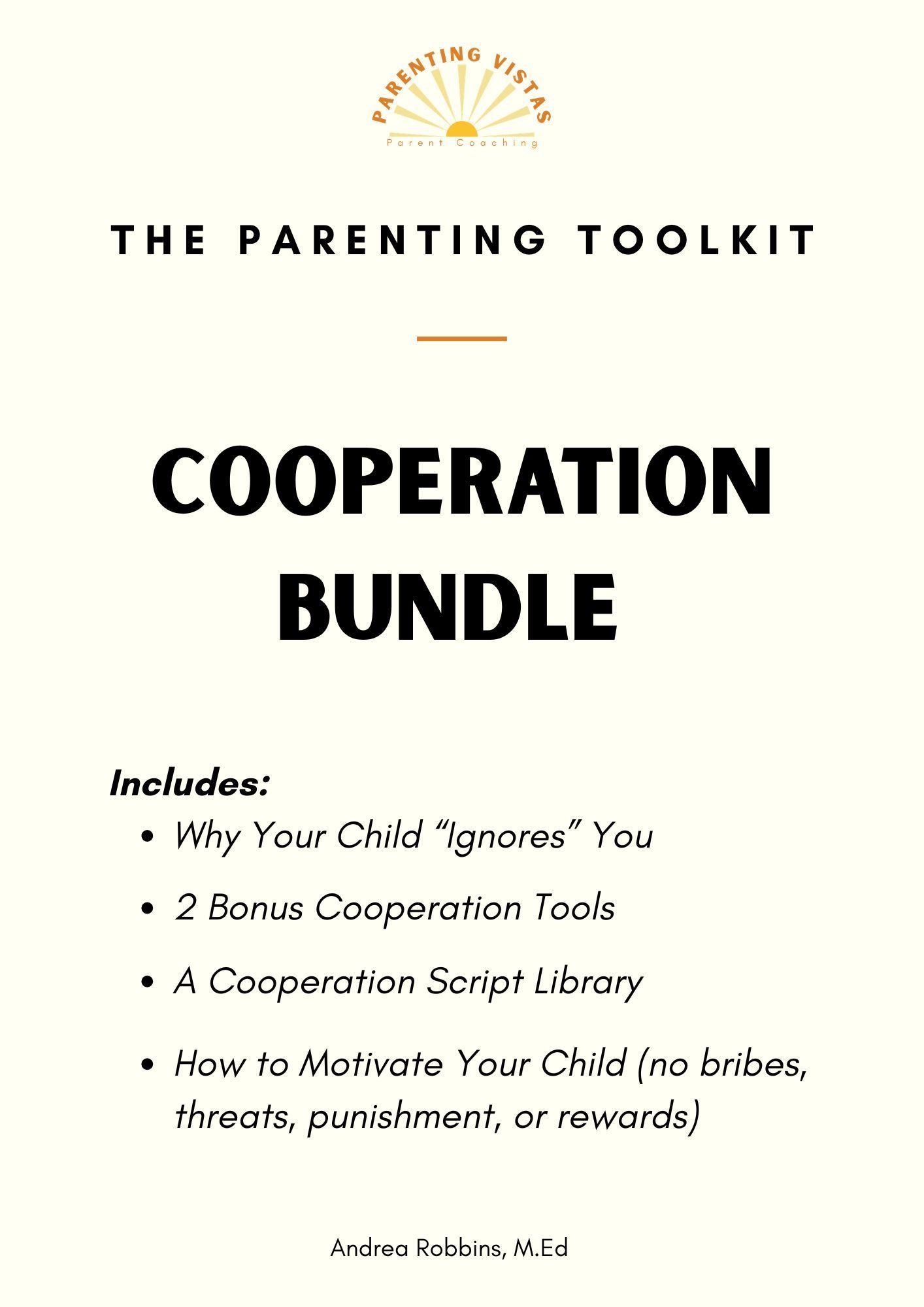
I'm really excited to share something new I've been working on! I'm creating a Parenting Toolkit , and the first resource of the bunch, The Cooperation Playbook, is finally here! The idea rose from my work with parents, where I kept seeing the same need: parents who want practical tools they can use in the moment, something they can easily access when they're completely overwhelmed and wondering, "What now?!" If you're a parent who is tired of repeating yourself (only to have your child still not listen) and getting stuck in power struggles, this is for you. In the Playbook , I break down the challenges behind your child not listening. Here you'll learn 6 tools to meet your child where they are, hold boundaries, and gain cooperation without yelling, threats, bribes, or rewards. You can find The Cooperation Playbook here or The full Cooperation Bundle here. The bundle includes: The Cooperation Playbook (11 pages), 2 bonus cooperation tools, a cooperation script library, and a guide on how to motivate your child for lasting cooperation I'm happy to answer any questions; you can respond directly to this email. Warmly, Andrea Robbins, M.Ed | Parent Coach | Parenting Vistas

Tips for a smoother start

What Charlie Brown was Trying to Tell Us

...and how it relates to parenting

The dreaded public meltdown
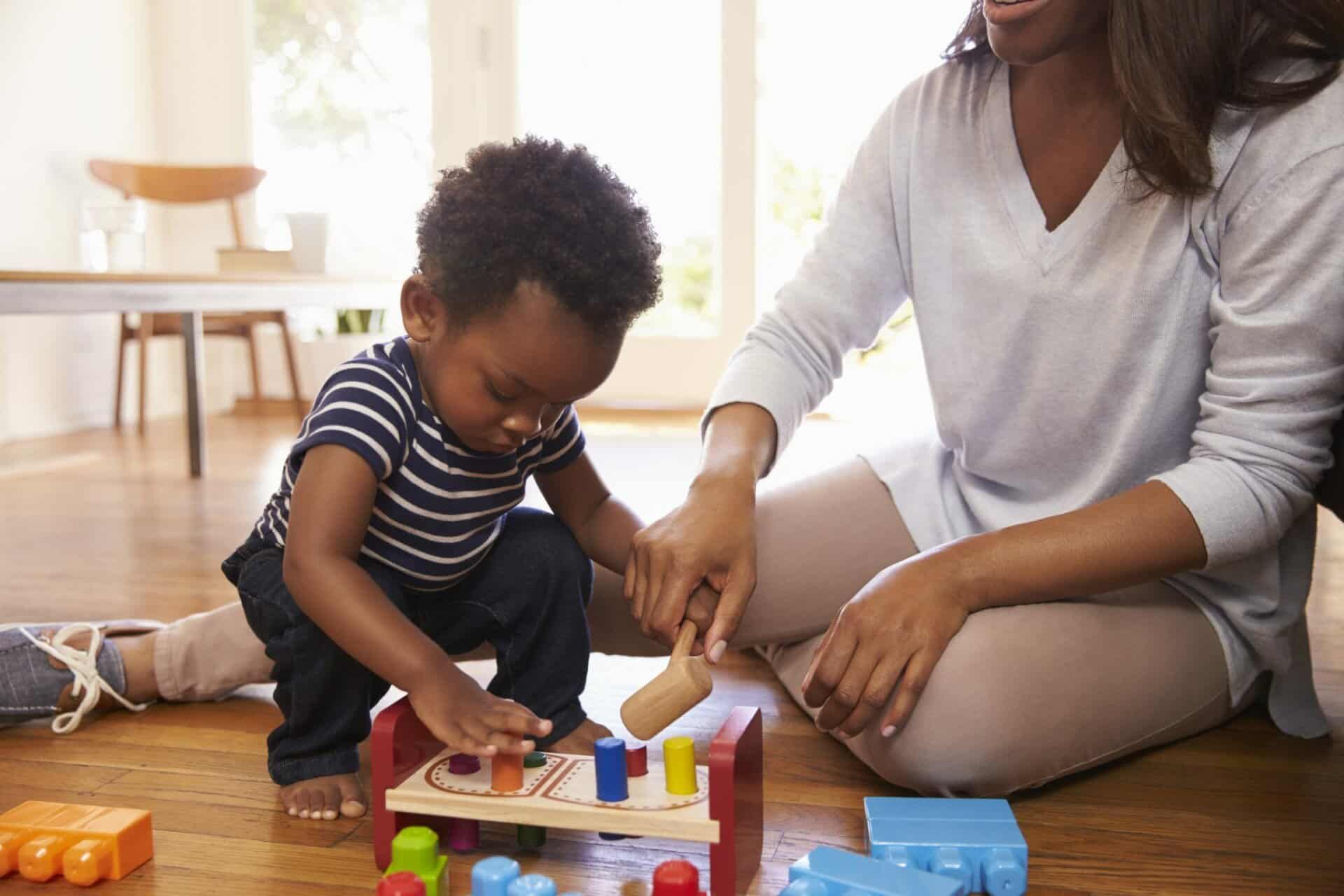
5 Simple Ways to Connect With Your Toddler (That Actually Leads to Cooperation and Resiliency) Connection isn’t something extra to do when there’s “time”. It's something you build into your everyday moments, and it’s what makes everything else work. 1. Get on their level Sit on the floor, make eye contact, and enter their world. This instantly decreases power struggles and invites connection (and cooperation) 2. 10 minutes of “Special Time” Let your toddler lead the play. No phone. No directing. Even 10-minutes of child-led play will fill their connection cup 3. Narrate: “I see you” “You're stacking the blocks so tall.” This helps your toddler feel seen and builds language at the same time. 4. Make transitions playful Transitions are hard for many toddlers, and they will resist being met with control. Toddlers typically respond better to connection and playfulness. This will lower resistance instantly. “Can you hop like a bunny (stomp like a dinosaur) to put your shoes on (brush your teeth)?” 5. Redo & Repair When things go off the rails, “Want a do-over?” “Can you try asking me again?” We all lose it sometimes, “I don’t like how I yelled. I’m working on staying calm.” These allow for learning from mistakes and building skills without shame. “Perfect” parenting is never the goal, but authentic parenting is. If you want to parent this way, but find yourself getting stuck in the moment, that's exactly what I help with in my program. Come join!
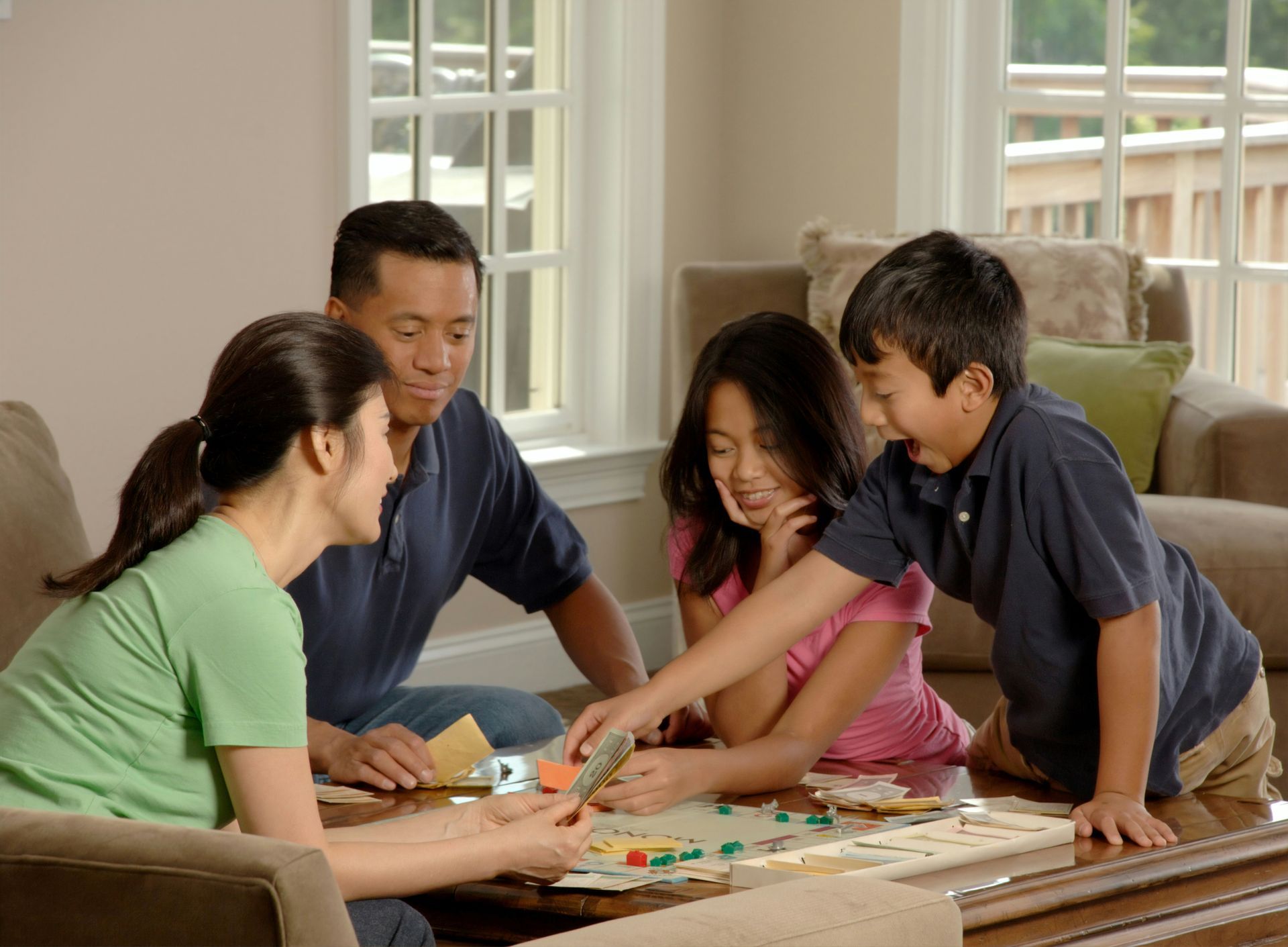
Connection Changes Everything in Parenting Most parenting advice focuses on behavior: how to get kids to listen, follow directions, and cooperate. But under all that is something powerful: CONNECTION! Connection is what makes your parenting effective. (It’s not being loud, strict, or controlling) Connection is the foundation on which everything else is built. From the moment your child is born, you begin building this relationship. It is shaped day by day through how you respond, the way you set limits, and the way you show up. At its core, connection is what helps your child feel safe, understood, and secure with you. And when that’s in place, your guidance has somewhere to land. Why Connection Matters When connection is strong, things shift. Your child is more apt to cooperate. Power struggles don’t escalate as quickly. There’s more ease and willingness Not because you’re forcing it, but because of your relationship, your child wants to stay connected to you. This doesn’t mean everything becomes easy, but it does mean you’re working with your child instead of always pushing against them. What Connection Looks Like Connection isn’t big, grand gestures. It’s built in small, consistent ways: Giving your child your full attention, even for a few minutes Getting down on their level and being physically present Acknowledging their feelings without rushing to fix them Moments of play and lightness Following through on boundaries in a calm, predictable way These moments build trust over time, and that makes your parenting more effective. In the Hard Moments This is where connection matters most. When your child is melting down, refusing, or pushing limits, it can be easy to react quickly and escalate the situation, but connection gives you another way. Instead of meeting intensity with intensity, you can pause, get close, and lower your voice. You can hold a boundary and still communicate, “I’m here. You’re safe. I’ve got this.” This calm leadership and emotional safety are what will help your kids settle and re-engage. It’s Not About Being Perfect Connection doesn’t mean you never lose your patience or yell. You will. What matters is that you come back. You repair. You reconnect. Authenticity builds a strong, lasting relationship, and that’s the goal, not perfection. Any questions? Reach out. I'd love to hear from you. Best, Andrea Robbins, M.Ed | Parent Coach | Parenting Vistas