3 Parenting Shifts No One Talks About
Andrea Robbins • September 23, 2025
These changed everything for me as a parent and a coach

After years of teaching, raising my own kids, and now coaching parents, there are a few truths I wish I had learned sooner. They’ve changed the way I show up, not only for my children but also for the families I support.
When my kids were little, I remember thinking, “Why does everything feel like a battle? Why is this so hard?”
One morning, my son refused to put on his shoes. I tried reasoning, then bribing, then threatening that we’d be late. By the time we got out the door, I was frazzled, he was crying, and the whole day felt off.
When my daughter was a toddler, I’ll never forget the grocery store meltdown over crackers. At the time, I thought she was being “difficult.” Now I know she was simply overwhelmed, and I didn’t yet have the tools to see it that way.
And when they both hit middle school, suddenly every request felt like an argument, whether homework, screens, or anything else. I used to think they were just being stubborn. What I didn’t realize was that they were craving independence, and my automatic “no’s” were fueling power struggles instead of building trust.
Looking back now, I realize I was missing a few key truths about parenting. Truths that would have made those mornings so much smoother. These are lessons I learned later as a parent coach, but oh how I wish I had known them sooner.
Here they are:
1️⃣ Kids aren’t giving us a hard time; they’re having a hard time.
I used to interpret big emotions and meltdowns as disrespect or defiance. What I’ve learned is that behavior is communication. A child acting out is really saying, “I need help.” This shift allows us to respond with curiosity instead of frustration.
2️⃣ Connection is the shortcut.
For so long, I thought my job was to fix every behavior. But the truth is, when kids feel safe, seen, and understood, so many challenges soften on their own. Connection opens the door to cooperation faster than any punishment, bribe, or reward ever could.
3️⃣ Regulation starts with me.
I once believed that if I just had the perfect script or strategy, things would go smoothly. What I know now is that kids borrow our calm. When I regulate myself: slowing down, breathing, staying grounded, it makes it so much easier for my kids to follow my lead.
Parenting doesn’t have to be about constant battles. Small shifts in perspective create big changes in connection and cooperation.
Which one of these do you wish you had learned sooner? Hit reply and let me know—I’d love to hear your perspective.
Best,
Andrea Robbins, M.Ed | Parent Coach | Parenting Vistas
P.S. If you’re ready to put these shifts into practice but feel stuck on the “how,” I can help.
In my coaching sessions, we break these ideas down into simple, doable steps that bring more calm and cooperation into your home.
Click here to book a free call with me,
and let’s talk about what would make the biggest difference for your family.

What your child is trying to tell you without words

How to build resiliency

Help your child repair and learn from mistakes

There's a reason why your child does better on school days
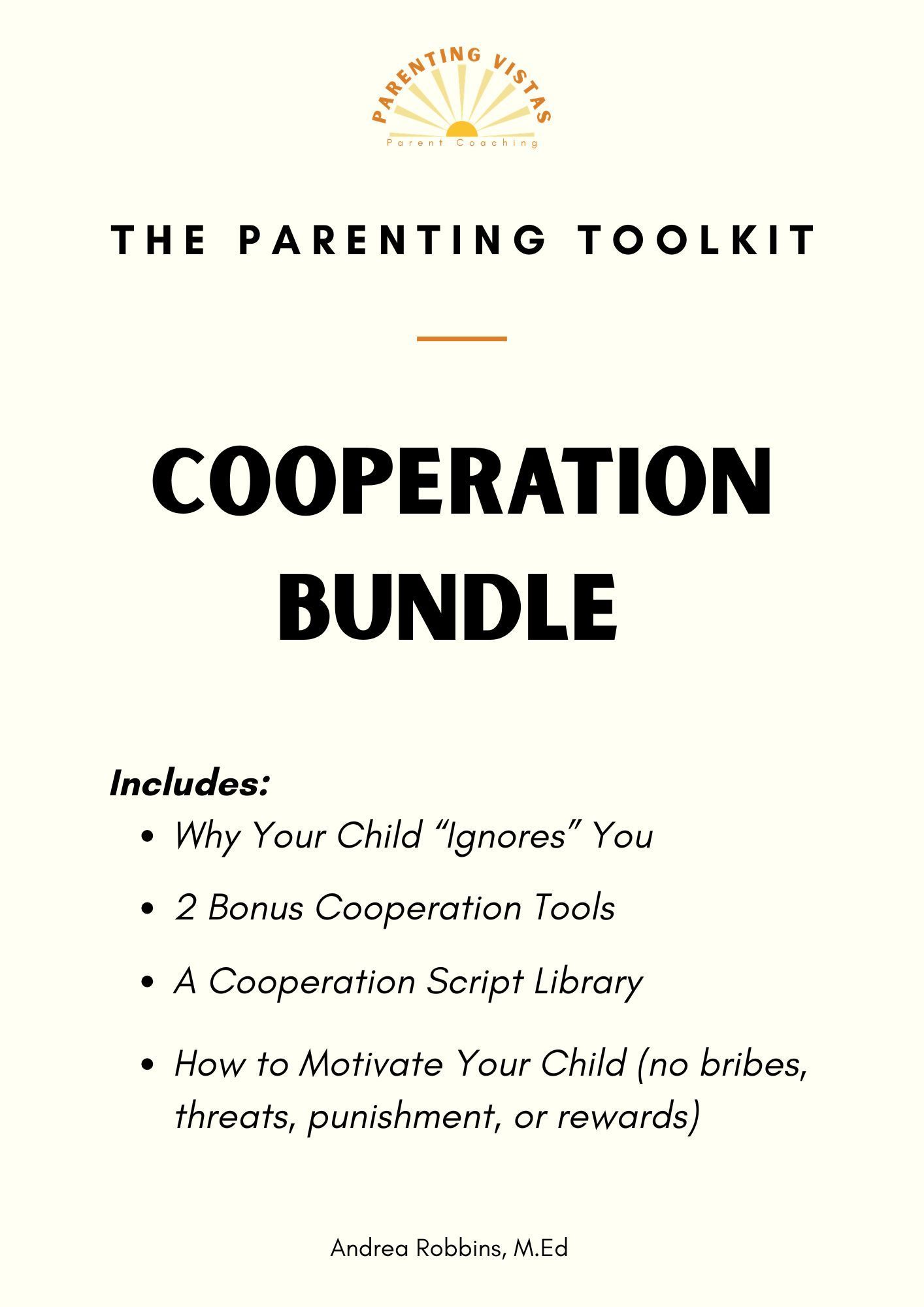
I'm really excited to share something new I've been working on! I'm creating a Parenting Toolkit , and the first resource of the bunch, The Cooperation Playbook, is finally here! The idea rose from my work with parents, where I kept seeing the same need: parents who want practical tools they can use in the moment, something they can easily access when they're completely overwhelmed and wondering, "What now?!" If you're a parent who is tired of repeating yourself (only to have your child still not listen) and getting stuck in power struggles, this is for you. In the Playbook , I break down the challenges behind your child not listening. Here you'll learn 6 tools to meet your child where they are, hold boundaries, and gain cooperation without yelling, threats, bribes, or rewards. You can find The Cooperation Playbook here or The full Cooperation Bundle here. The bundle includes: The Cooperation Playbook (11 pages), 2 bonus cooperation tools, a cooperation script library, and a guide on how to motivate your child for lasting cooperation I'm happy to answer any questions; you can respond directly to this email. Warmly, Andrea Robbins, M.Ed | Parent Coach | Parenting Vistas
Tips for a smoother start

What Charlie Brown was Trying to Tell Us

...and how it relates to parenting

The dreaded public meltdown
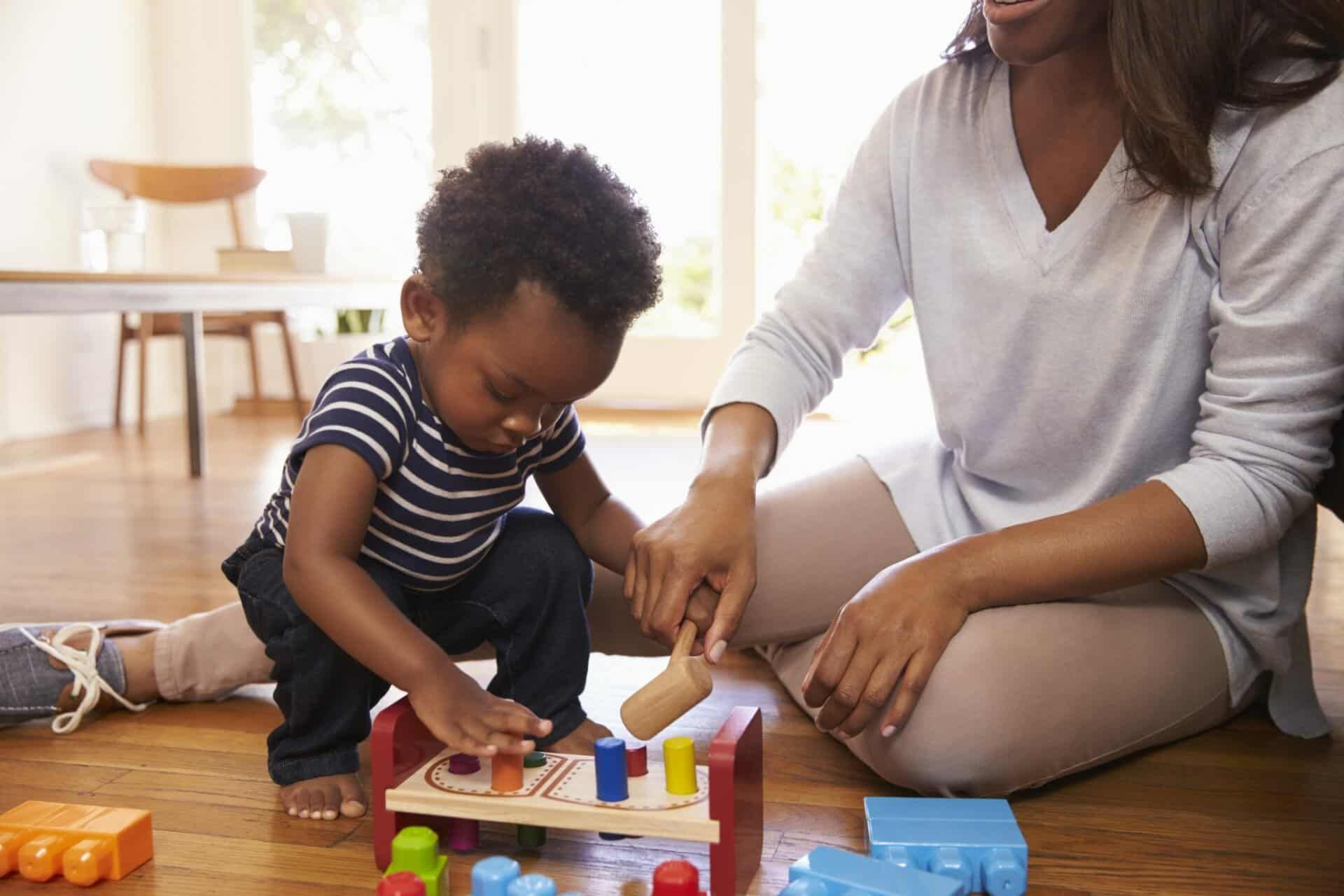
5 Simple Ways to Connect With Your Toddler (That Actually Leads to Cooperation and Resiliency) Connection isn’t something extra to do when there’s “time”. It's something you build into your everyday moments, and it’s what makes everything else work. 1. Get on their level Sit on the floor, make eye contact, and enter their world. This instantly decreases power struggles and invites connection (and cooperation) 2. 10 minutes of “Special Time” Let your toddler lead the play. No phone. No directing. Even 10-minutes of child-led play will fill their connection cup 3. Narrate: “I see you” “You're stacking the blocks so tall.” This helps your toddler feel seen and builds language at the same time. 4. Make transitions playful Transitions are hard for many toddlers, and they will resist being met with control. Toddlers typically respond better to connection and playfulness. This will lower resistance instantly. “Can you hop like a bunny (stomp like a dinosaur) to put your shoes on (brush your teeth)?” 5. Redo & Repair When things go off the rails, “Want a do-over?” “Can you try asking me again?” We all lose it sometimes, “I don’t like how I yelled. I’m working on staying calm.” These allow for learning from mistakes and building skills without shame. “Perfect” parenting is never the goal, but authentic parenting is. If you want to parent this way, but find yourself getting stuck in the moment, that's exactly what I help with in my program. Come join!