Parenting When the World Feels Chaotic

Andrea Robbins • September 30, 2025

How to be a Calm Anchor for Your Kids

Parenting in Uncertain Times: 
How to Be a Calm Anchor for Your Kids


The Weight of the World Is Hard to Escape. Every morning, it seems the world is a little heavier than the day before. You wake up to alerts on your phone, headlines on the front page, the endless 24-hour news cycle; they all scream chaos.

It’s overwhelming. And here’s the thing: our kids feel it too. Even if they don’t understand, they sense when we’re unsettled, anxious, or distracted.


What Our Kids Really Need From Us
As a parent coach, I remind myself, and the parents I work with of this simple truth:

Kids don’t need us to have all the answers

They need us to be their safe place.

When the world feels uncertain, connection at home matters more than ever.


Model Calm, Teach Resilience
If you can model calm during hard moments, your child learns resilience. They see that even when things feel shaky, it’s possible to stay steady.

Remember: If you feel supported, you show up with more patience, presence, and power.

Don’t let uncertainty be an excuse for stress or yelling. Don’t use circumstances to justify impatience or frustration. Commit to calm even in uncertain times. Your calm presence is one of the best teachers your child will ever have.


Practical Ways to Anchor Your Family
πŸ’› Keep routines where you can. Predictable rhythms such as meals, bedtimes, and family rituals create a sense of safety for kids.

πŸ’› Talk honestly, but age-appropriately. Be open about what’s happening in the world, and filter it through what your child can understand. Most importantly, help them notice the difference between what they can control vs. what they cannot, and reassure them.

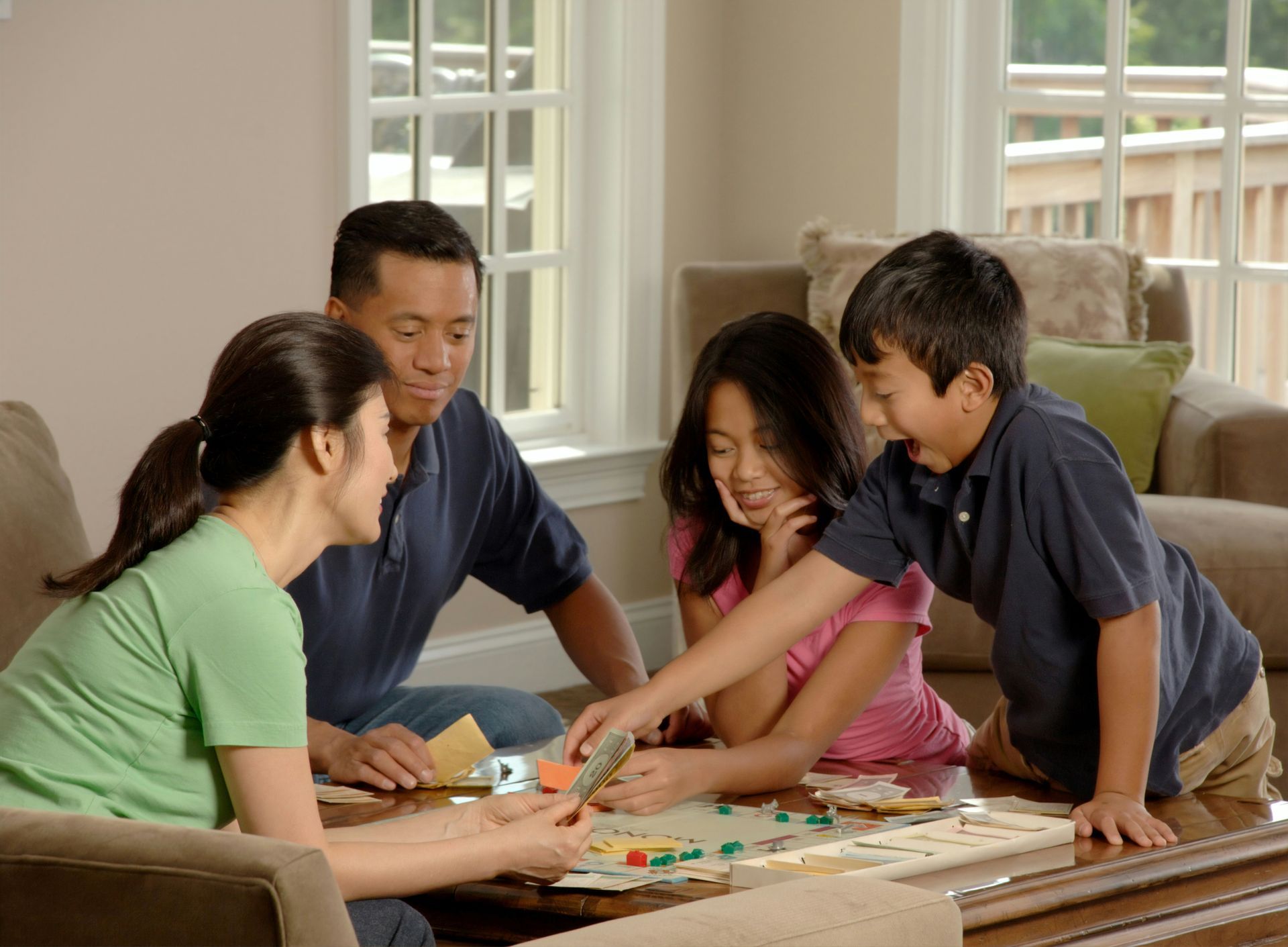
πŸ’› Build small moments of joy. Play a game, go for a walk, or have a spontaneous dance in the kitchen. These moments remind kids (and you) that even when the world feels heavy, fun and joy are possible.


No Excuses for Dysregulation
There’s no excuse for passing your stress onto your kids. That doesn’t mean you’ll never lose your cool, but it does mean owning your reactions and doing the work to regulate yourself (and repair when needed).

Your children need your calm more than your commentary.


The Heart of It All
You don’t have to be perfect. You just need to be present.

Your calm presence, even in small ways, is the most powerful gift you can give your children right now.

➑️ Save this as a reminder for the hard days.
πŸ’¬ I’d love to hear from you: what helps you stay grounded when the world feels overwhelming?

Best, 

Andrea Robbins, M.Ed | Parent Coach | Parenting Vistas


P.S. If staying calm in these uncertain times feels hard, you’re not alone. That’s exactly the kind of work I do with parents- helping them build patience, presence, and connection at home. Book a free call here. 

By Andrea Robbins February 15, 2026
Your Child Melts Down After School (But “Was Fine” All Day), This Is Why I hear this from clients all the time: “They hold it together at school… but the second they get in the car, it’s a meltdown.” “Her teacher says she had a great day, then she screams at home for an hour.” “He’s so well behaved with the babysitter. Why does he fall apart with me?” If this is your child, I want you to hear this clearly: It’s not because you’re doing something wrong. And it’s not because your child is manipulative, dramatic, or “saving it for you.” It’s because they feel safe with you. School Requires a Massive Amount of Regulation All day at school, your child is: Following directions Waiting their turn Managing social dynamics Sitting still Coping with noise, transitions, and expectations Suppressing big feelings Even if they love school, that’s a LOT of self-control. From a nervous system perspective, they are “holding it together.” And holding it together takes energy. By the end of the day, their regulation tank is empty. Home Is the Safe Landing Zone When your child walks through your door, their nervous system finally exhales. And sometimes that exhale looks like: Tears Yelling Irritability Clinginess Complete emotional collapse It’s not calculated. It’s not strategic. It’s decompression. You are their safest place. So you get the unfiltered version. And I know that can feel unfair. This Is a Nervous System Pattern, Not a Character Flaw When kids are in environments that require sustained self-control, their brains are working hard in the prefrontal cortex (the “thinking brain”). By late afternoon, that part of the brain is fatigued. The emotional brain is louder. Add hunger. Add overstimulation. Add social stress. Boom. After-school meltdown. This is incredibly common in nursery and elementary-aged kids, and yes, even in kids who are “good at school.” What Actually Helps Instead of trying to correct the behavior immediately, think in terms of regulation first. Some ideas: Offer a snack immediately (blood sugar matters more than we think). Reduce questions. (“How was your day? What happened? Who did you sit with?” can feel overwhelming.) Create a predictable decompression routine. Allow quiet time before homework. Lead with connection, not correction. Sometimes the most powerful response is simply: “You held it together all day. That’s a lot. I’m here.” If This Is Happening in Your Home… You are not alone. I hear this from many parents I work with. Often, once they understand what’s actually happening beneath the surface, the whole dynamic shifts. When we understand this as nervous system overload, not defiance, everything shifts. You’re not getting their worst. You’re getting their most authentic. And that means you’re their safe place. If this dynamic feels familiar, it’s not random, and it’s not something your child will just “grow out of.” There are practical, nervous-system-based strategies that make afternoons calmer and connection stronger. If you want support applying them in your real life (not just in theory), s chedule a free call today. Let’s make your home feel lighter. Best, Andrea Robbins, M.Ed | Parent Coach | Parenting Vistas

By Andrea Robbins February 5, 2026
For so many parents, setting and holding boundaries is where things fall apart. Let’s face it, without boundaries, we are letting kids rule and control, and that creates anxiety. This increases anxiety in kids because when there are no clear, consistent limits or boundaries, children feel responsible for making decisions that their nervous system isn’t developmentally ready to handle. You know what the boundary is. You’ve said it clearly. And yet… your child pushes, negotiates, melts down, or flat-out ignores it. So you start wondering: Am I being too strict? Do I need to explain it better? Why does holding this feel so hard? Here’s the truth I want you to hear today: Boundaries don’t work because we explain them perfectly. They work because we hold them calmly and consistently. What a boundary actually is A boundary isn’t a threat. It’s not a punishment. And it’s definitely not a power struggle. A boundary is simply: “This is what’s happening, and I’m here to help you handle it.” When kids push against boundaries, it doesn’t mean they’re being manipulative; it means they’re checking: Is this safe? Is this predictable? Can my parent stay steady when I’m upset? T ool #1: The When/Then Boundary This is one of the simplest and most effective tools for everyday situations. When/Then keeps the boundary clear without lectures or threats. Instead of: “If you don’t clean up right now, you’re not getting screen time!” Try: “When the toys are in the basket, then we can watch the show.” Why this works: It keeps you out of the power struggle It puts responsibility back on the child It communicates confidence, not control No arguing. No convincing. Just calm clarity. Tool #2: The Broken Record If your child argues, negotiates, or keeps asking after you’ve already answered, this one is for you. The Broken Record means you repeat the boundary without adding new words, explanations, or emotion. Example: Child: “But I want more iPad time!” You: “iPad time is over. It’s HW time.” Child: “Just one more minute!” You: “iPad time is over. It’s HW time.” Child: “That’s not fair!” You: “I hear you’re upset. iPad time is over. It’s HW time.” Why this works: Kids can’t argue with consistency Extra words often sound like uncertainty Calm repetition builds trust over time Tool #3: Validate Without Giving In Validation does not mean changing the boundary. You can say: “I know you’re disappointed.” “This is really hard.” “You wish it were different.” And still hold the limit. Example: “I know you’re mad that screen time is over. I’m here with you. Screen time is still done.” This teaches your child: Feelings are allowed Boundaries are reliable You can handle their big emotions Tool #4: Decide Ahead of Time Boundaries fall apart most often when we are dysregulated. One of the most powerful things you can do is decide: What the boundary is What you’ll say What you’ll do if it’s pushed When you decide ahead of time, you don’t have to figure it out in the moment; you just follow through. One last thing: Holding boundaries is not about being rigid. It’s about being steady. And steadiness is what helps kids feel safe enough to eventually cooperate. If boundaries feel hard right now, you’re not failing. You’re learning a skill, and skills get easier with practice. You’re doing important work. And you don’t have to do it perfectly for it to matter. πŸ’™πŸ’™ If you’re ready to parent with more clarity and confidence, download my free Values and Intentions worksheet to help you set boundaries that align with what matters most to you. For more personalized support, schedule a free consult call. Best, Andrea Robbins, M.Ed | Parent Coach | Parenting Vistas
By Andrea Robbins January 27, 2026
If you’ve ever noticed your child does better on school days than weekends or melts down during transitions, there’s a reason for that. It’s not because they like rules. It’s not because they’re being “good.” It’s because predictability helps children feel safe. A predictable routine gives a child’s nervous system a break. When kids don’t know what’s coming next, their brain has to work overtime: What’s happening now? Am I about to lose something I like? Do I have any control here? That uncertainty can show up as: Resistance Power struggles Clinginess “Out of nowhere” meltdowns Not because your child is being defiant, but because their nervous system is scanning for safety. When kids know what’s next, their bodies can relax. Predictable routines answer the questions children are constantly asking (often without words): Am I safe? Can I trust what’s happening? Do the adults have this handled? That sense of safety frees up their brain for cooperation, flexibility, and learning. This is why routines often lead to: Fewer battles around transitions More cooperation with everyday tasks Less emotional escalation More confidence and independence And here’s an important reframe: Routine isn’t about control; it’s about support. A routine doesn’t have to be rigid or perfect. It just needs to be reliable. Simple things make a big difference: A consistent order to the bedtime routine A warning before transitions (“In 5 minutes, we’re cleaning up”) Talking through what the day will look like in the morning Using visual schedules or predictable rhythms When children know what’s coming, they don’t have to fight to feel in control. They can use their energy to cooperate instead. And if routines feel hard to maintain? That doesn’t mean you’re failing. Start small. Pick one part of the day that feels hardest and add just a little more predictability there. You’re not trying to run a perfect household. You’re building a sense of safety one rhythm at a time. Best, Andrea Robbins, M.Ed | Parent Coach | Parenting Vistas P.S. If you'd like support, schedule a free consult call , and together we can build rhythms that support your family.
By Andrea Robbins January 20, 2026
The body content of your post goes here. To edit this text, click on it and delete this default text and start typing your own or paste your own from a different source.
By Andrea Robbins January 13, 2026
When parenting starts to feel tense, loud, or stuck, our instinct is often to tighten control. We explain more. We repeat ourselves. We push harder. But when emotions are high, more pressure usually creates more resistance. There’s another option that often works better, especially in the moment. Play. Not big, elaborate play. Not crafts or activities or anything you have to prep (although that could work too). I’m talking about using playfulness to lighten the moment and reconnect. Because when things feel heavy, play does something powerful: It lowers stress, softens defenses, and reminds your child you’re on the same team. Here’s what that kind of play can actually look like in everyday life: Getting dressed: You “accidentally” put the shirt on your head and act confused. You race the sock to their foot. You use a silly voice. Leaving the house: You march to the door like robots. You pretend the floor is lava. You whisper everything like it’s a secret mission. Homework resistance: You race to the table You set a five-minute challenge and see how much you can get done. Bedtime: Stuffed animals tuck them in. Read them a story You dramatically forget the bedtime routine. You walk to the bedroom in slow motion like it’s the hardest journey ever. Big feelings: You ask, “If this feeling were an animal, what would it be?” You draw the feeling together. You act it out: no fixing, just noticing. This kind of play isn’t about ignoring behavior. It’s not about avoiding boundaries . It’s about resetting the tone. Play says: “I see you.” “I enjoy you.” “You’re safe with me.” And when kids feel safe and connected, cooperation comes more easily. You can always circle back to the boundary. But connection makes it possible for the boundary to land. So the next time you feel the tension rising, try this: Before you correct, connect. Sometimes five playful minutes can change the entire moment. And that’s not a parenting trick. That’s relationship-building. If you’re craving calmer days, fewer power struggles, and more connection, but aren’t sure how to make that happen consistently, I’d love to support you. πŸ‘‰ You can schedule a free consult call to talk about what support might look like for your family. Best, Andrea Robbins, M.Ed | Parent Coach | Parenting Vistas
By Andrea Robbins January 5, 2026
Why Kids Fall Apart After Vacation (And How Routine Helps) Have you ever come home from a trip feeling hopeful, rested, connected, maybe even proud of how things went, only to find that within a day or two, your child is melting down, arguing more, or suddenly “not listening”? It can feel confusing. Or frustrating. Or like all that progress disappeared overnight. Here’s the truth: nothing is wrong with your child. Vacation Disrupts More Than Schedules During vacations, routines often disappear. Bedtimes shift. Meals happen whenever. Expectations loosen. Days are unpredictable. And while that can feel fun and freeing, it’s also a lot for a child’s nervous system to manage. When kids don’t know what’s coming next, their brain stays on high alert. That heightened state often shows up as: More whining or irritability Increased meltdowns Power struggles Trouble sleeping “Regressive” behavior This isn’t misbehavior. It’s dysregulation. Why Routine Matters So Much Routine isn’t about control, rigidity, or perfection. It’s about predictability. Predictability tells a chil d’s nervous system: “You’re safe. You don’t have to stay on guard.” When kids know what’s coming next, their brains don’t have to work as hard. That frees up energy for cooperation, flexibility, and emotional regulation. In other words: Routine lowers the mental load. A Gentle Transition Routine for Coming Home If your child is struggling after vacation, try this instead of cracking down or adding consequences. 1. Name the plan Talk through the day out loud: “Today we’re unpacking, having lunch at home, and doing bedtime like usual.” This helps your child mentally organize what’s ahead. 2. Lower expectations This is not the time to push independence, productivity, or perfect behavior. Transition days are about support. 3. Anchor the day with one familiar routine You don’t need to reset everything at once. Choose one steady anchor: bedtime, dinner, or the morning routine, and start there. One predictable rhythm can help the whole day feel more manageable. Getting back to routine isn’t about being strict or taking away joy. It’s about meeting your child where they are and supporting their nervous system through change. Re-entry can be harder than the trip itself. And when we plan for that, we reduce frustration for them and for us. If things feel harder right now, that makes sense. Start small. Be gentle. Routine will do the rest. If you would like help creating routines that support your child and work for your family, I offer 1:1 coaching. You can learn more about me here or schedule a free call today.
By Andrea Robbins December 30, 2025
When You Need a Break From Your Kids (and Why That’s Not a Problem) It’s winter break. It’s the holidays. And you’ve been together… a lot. More noise. More needs. More mess. More emotions (yours and theirs). If you’ve caught yourself thinking, “I just need a break,” I want you to hear this clearly: Needing space from your kids does not mean you don’t love them. It means your nervous system is overloaded. And that matters. Connection doesn’t start with saying the perfect thing or handling every moment “right”. Connection starts with regulation. And sometimes regulation looks like stepping away. When your body is on edge, heart racing, jaw tight, thoughts spiraling, that’s not a moral failure. That’s biology. Your nervous system is signaling that it needs support. So if you feel like you’re about to snap, try this: Pause. Name it (to tame it) out loud: “I need a minute to calm my body.” Step away if it’s safe. That’s not avoidance. That’s modeling emotional regulation. You’re showing your child that big feelings don’t have to turn into big reactions and that we can notice what’s happening inside us and take care of it. That’s modeling a powerful lesson! And then there are those moments. The meltdowns. The tension that lingers all day. The quiet thought that creeps in: “I don’t want to or I can’t keep doing it like this.” If that thought has shown up for you recently, listen to it. It’s not saying you’re a bad parent. It’s not saying you’ve failed. It’s saying you want more ease. More confidence. More connection. And that is a really good place to start. Sometimes clarity doesn’t come in the middle of the chaos; it comes after the big days are over. When the holidays pass, and your body finally exhales, you realize how hard it’s been. If you’re feeling that way, you don’t have to figure this out alone. It might just be time to support yourself the way you work so hard to support your kids, and this is exactly the kind of moment where parent support can help. ✨Together we work on staying calm when challenged, responding instead of reacting, and building/maintaining connection, even on the hard days. πŸ‘‰If you’re ready to get started, click here to learn more about working with me or schedule a free consult call. Warmly, Andrea Robbins, M.Ed | Parent Coach | Parenting Vistas
By Andrea Robbins December 9, 2025
When you ask your child to do something, and you find yourself (depending on their age) in a power struggle or with a lot of pushback, try this strategy. It will likely boost cooperation. Children fight for power when they feel controlled, cornered, or voiceless. Their brain goes into threat mode , and the instinct becomes: “You can’t make me.” Giving choices shifts their brain out of threat and into autonomy, one of the strongest human motivators. When kids feel even a little control, they don’t need to fight for all of it. So when you offer two choices, you’re doing three things at once: 1. You meet their need for autonomy. Power struggles happen because kids want to feel capable and respected. Choices give them that in a safe, structured way. "Would you like to clean your room now or at 12:00? 2. You keep the boundary, but lower the intensity. You’re not backing down. You’re giving options within your limit. “Do it now” = battle. “Here are your choices” = cooperation. 3. You activate their thinking brain. A child can’t think in a power struggle — their emotional brain is driving. Choices bring the prefrontal cortex back online. That’s when cooperation becomes possible again. You stay regulated, which regulates them. Offering choices keeps you calm. A calm adult helps the child’s nervous system settle, which ends the fight faster. Best, Andrea Robbins, M.Ed | Parent Coach | Parenting Vistas P.S. If you're looking for strategies that fit your family's specific needs, set up a free call, and we can get started.
By Andrea Robbins November 26, 2025
Want Your Child to Actually Talk to You More? If you’ve ever asked your child, “How was your day?” only to get a shrug, a one-word answer, or total silence… you’re not alone. Kids want to communicate and connect, but the way we approach conversations can either open the door or shut it completely. Here are 3 simple, powerful ways to build better communication with your child (no long talks or perfect parenting required) : 1. Get Curious, Not Controlling When your child says or does something confusing or unexpected, it’s so easy to jump into lecture mode. But curiosity creates conversations. Control creates shutdown. Try saying: “Help me understand what happened.” That one sentence keeps your child’s brain open instead of defensive. It tells them: You’re safe. I’m listening. 2. Reflect What You Hear Kids open up more when they feel seen and understood, not corrected. A simple reflection can make all the difference: “So you felt left out when they didn’t pick you?” This helps your child feel seen and supported, and it builds trust much faster than advice or problem-solving. 3. Keep It Short + Safe When kids feel overwhelmed by too many words, too much emotion, or a confusing tone, they shut down. Use short sentences, a calm voice, and clear reassurance, like: “You’re not in trouble. I just want to understand.” This helps their nervous system settle so their words can flow. Communicate to connect, and your child will follow your lead. Best, Andrea Robbins, M.Ed | Parent Coach | Parenting Vistas P.S. If you're ever looking for personalized tips specific to your family, sign up for a free call , and we can get started right away.
By Andrea Robbins November 20, 2025
You Can’t "Do" a "Don’t” The Parenting Shift That Makes Everything Easier Most parents don’t realize it, but one tiny communication habit can make or break cooperation: We spend a lot of time telling kids what not to do. “Don’t run.” “Don’t yell.” “Don’t hit.” “Don’t touch.” Here’s the problem: Kids can’t do a don’t. Their brains don’t automatically translate a “stop doing this” into “start doing that instead.” So when we say “Don’t…!” they still don’t know what to do. And confusion often leads to frustration, pushback, or more of the same behavior. Let’s break down what this means and how you can use it to create calmer, clearer moments with your child. Why “Don’t” Doesn’t Work (Especially for Young Kids) Young children process language literally. When they hear: “Don’t run!”, their brain pictures… running. And without a clear alternative behavior, they have nothing to pivot to. That’s why “don’t” statements (even with the best intentions) often make kids: feel corrected but not guided escalate because they don’t know what to do or repeat the behavior you’re trying to stop It’s not defiance. It’s development. What To Say Instead: Give the “Do” If you want your child to stop something, tell them what to do instead. Here are a few swaps to make your life easier: ❌ “Don’t run.” βœ… “Use walking feet.” ❌ “Don’t grab.” βœ… “Ask for a turn.” ❌ “Don’t yell.” βœ… “Use a quieter voice.” ❌ “Don’t touch that.” βœ… “Keep your hands on your lap.” These small shifts give your child a clear path forward, and that’s when cooperation really improves. Why This Works So Well By focusing on the “do,” you’re: offering a concrete action they can follow keeping their brain regulated reducing power struggles setting them up for success instead of shame Kids feel more capable, more understood, and more willing to work with you. And you get fewer battles and way more moments that feel peaceful. Try This Today Pick one “don’t” phrase you use often. Rewrite it as a “do.” Use it for the next 24 hours and watch what happens. Small shifts like this change the entire tone of your home. Best, Andrea Robbins, M.Ed. | Parent Coach | Parenting Vistas