Melting Down Over the Wrong Cup Again!
Andrea Robbins • October 15, 2025
Why It's Not About the Cup
You give your child the wrong color cup, and they lose it.
Again.
You’re exhausted, frustrated, and wondering how something so small could cause such a big explosion.
Here’s the truth: it’s not about the cup.
It’s about control, autonomy, and overwhelm.
Tantrums Aren’t “Bad Behavior”
When your child melts down, they’re not being manipulative or dramatic; they’re communicating.
Tantrums are your child’s nervous system saying, “This is too much for me right now.”
Most young children simply don’t have the language or emotional regulation skills to say:
- “I feel out of control.”
- “My day isn’t going how I wanted.”
- “This tiny thing pushed me over the edge.”
So instead, they cry, yell, or throw things. And while it feels personal, it’s really not about you. It’s about a child whose brain and body are overwhelmed.
Seeing the Need Beneath the Behavior
When you can remind yourself that it’s not about the cup (or the sandwich cut the “wrong” way, or the socks that “feel weird”), something shifts.
You start to see the need behind the behavior.
Maybe your child needs connection.
Maybe they’re feeling powerless and need a sense of control.
Maybe their nervous system is overloaded and needs help calming down.
When you look beyond the behavior and see the unmet need, it becomes easier to respond with curiosity and empathy instead of frustration.
Staying Calm: The Real Teaching Moment
It’s tempting to react: to yell, to punish them, or try to reason with them in the middle of the chaos.
But what your child needs most in that moment is your calm presence.
Every time you stay grounded during their meltdown, you’re showing them what emotional regulation looks like.
No reward or punishment can teach that the way you can.
Your calm tells your child, “You’re safe. I’ve got you.”
And that’s what helps their nervous system settle.
3 Things to Try Next Time
When the next “wrong cup” moment happens, try this:
1. Pause and breathe. Take a moment to regulate yourself before responding.
2. Name and validate the feeling. “You really wanted the other cup. That’s so frustrating.” Feeling seen helps your child calm faster. 3. Offer choice within limits. “Would you like the blue cup or the red cup?” This gives your child a sense of control.
Tantrums aren’t a sign you’re failing as a parent.
They’re an opportunity to build your child’s emotional intelligence and to strengthen your connection in the process.


What your child is trying to tell you without words

How to build resiliency

Help your child repair and learn from mistakes

There's a reason why your child does better on school days
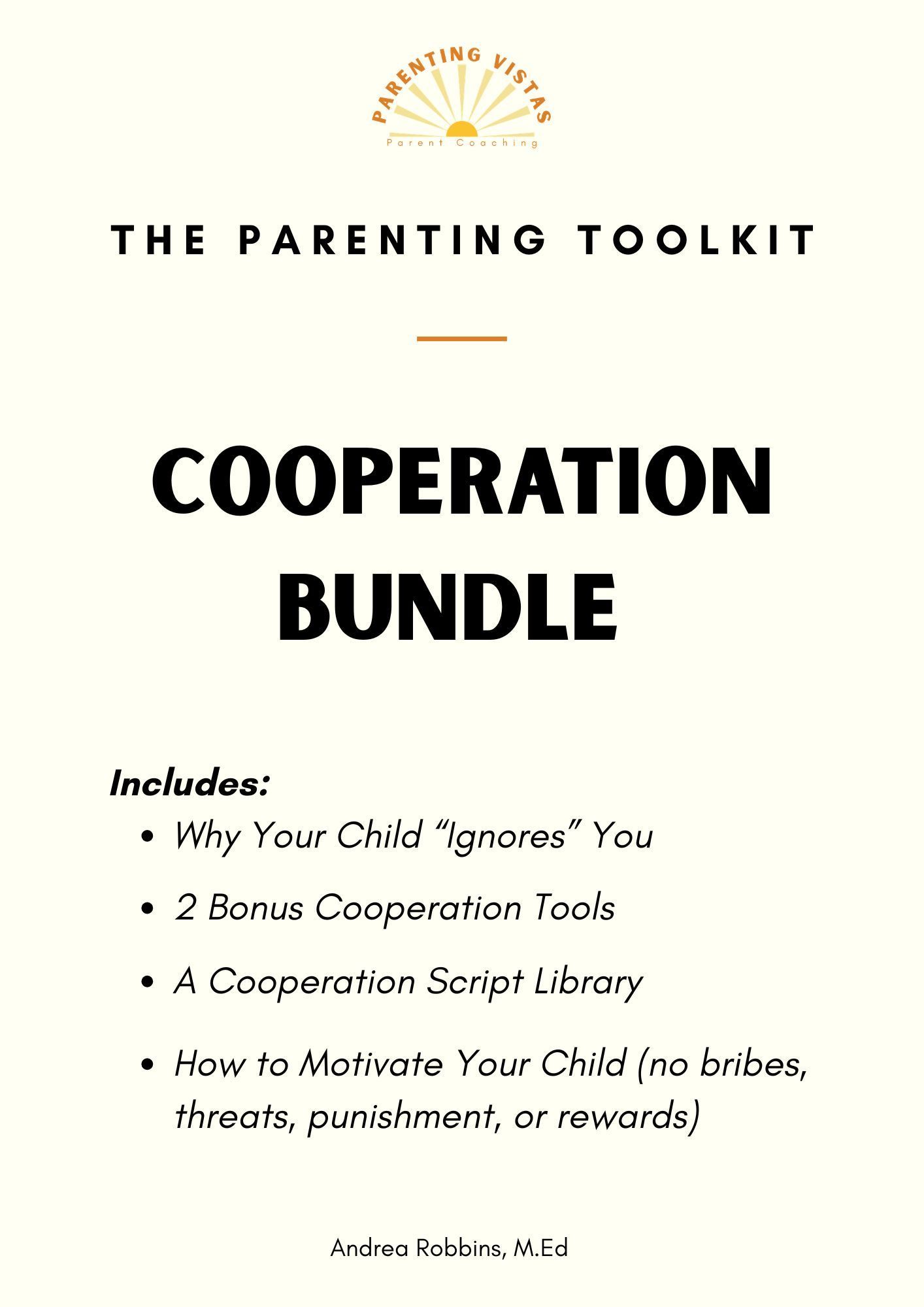
I'm really excited to share something new I've been working on! I'm creating a Parenting Toolkit , and the first resource of the bunch, The Cooperation Playbook, is finally here! The idea rose from my work with parents, where I kept seeing the same need: parents who want practical tools they can use in the moment, something they can easily access when they're completely overwhelmed and wondering, "What now?!" If you're a parent who is tired of repeating yourself (only to have your child still not listen) and getting stuck in power struggles, this is for you. In the Playbook , I break down the challenges behind your child not listening. Here you'll learn 6 tools to meet your child where they are, hold boundaries, and gain cooperation without yelling, threats, bribes, or rewards. You can find The Cooperation Playbook here or The full Cooperation Bundle here. The bundle includes: The Cooperation Playbook (11 pages), 2 bonus cooperation tools, a cooperation script library, and a guide on how to motivate your child for lasting cooperation I'm happy to answer any questions; you can respond directly to this email. Warmly, Andrea Robbins, M.Ed | Parent Coach | Parenting Vistas

Tips for a smoother start

What Charlie Brown was Trying to Tell Us

...and how it relates to parenting

The dreaded public meltdown
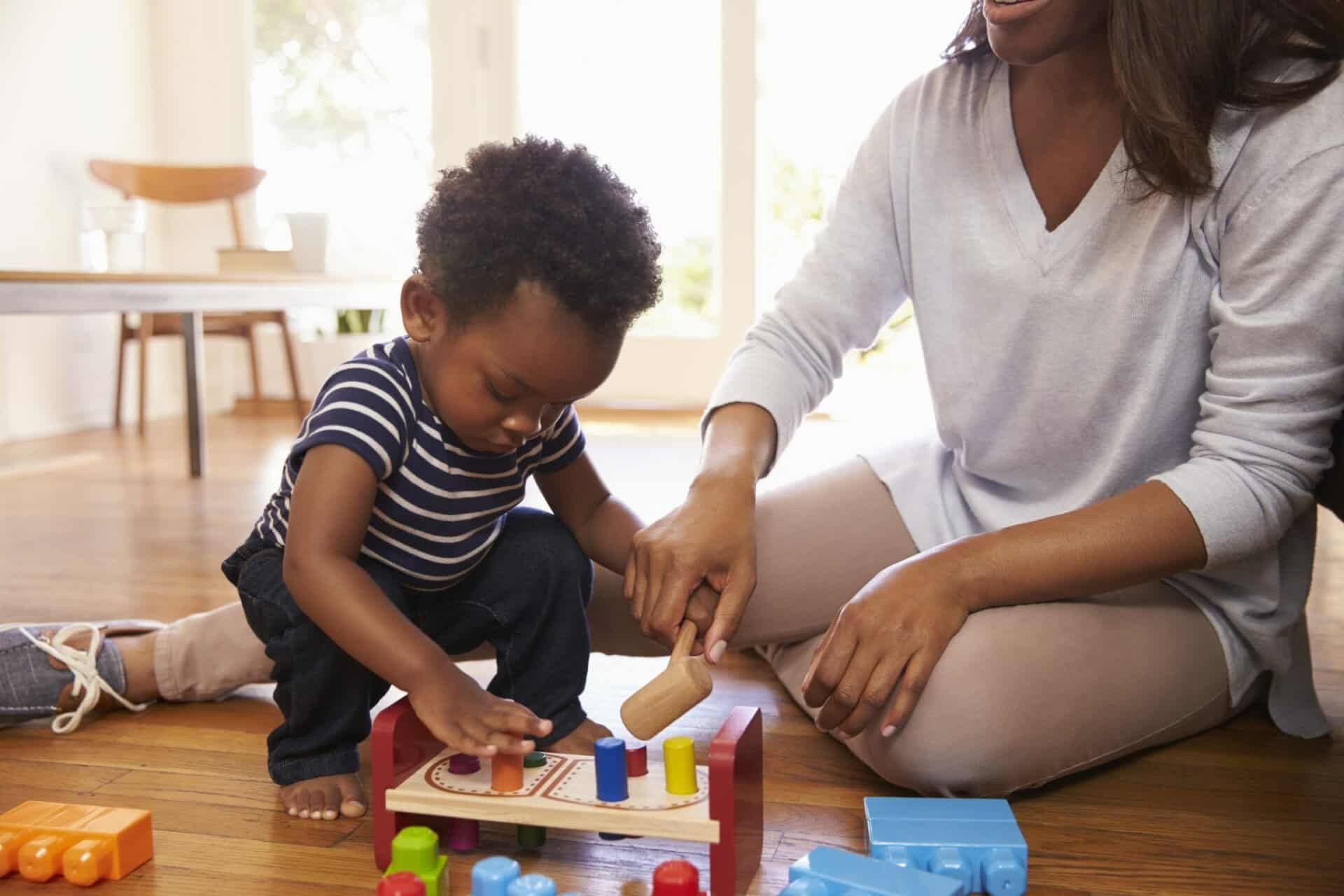
5 Simple Ways to Connect With Your Toddler (That Actually Leads to Cooperation and Resiliency) Connection isn’t something extra to do when there’s “time”. It's something you build into your everyday moments, and it’s what makes everything else work. 1. Get on their level Sit on the floor, make eye contact, and enter their world. This instantly decreases power struggles and invites connection (and cooperation) 2. 10 minutes of “Special Time” Let your toddler lead the play. No phone. No directing. Even 10-minutes of child-led play will fill their connection cup 3. Narrate: “I see you” “You're stacking the blocks so tall.” This helps your toddler feel seen and builds language at the same time. 4. Make transitions playful Transitions are hard for many toddlers, and they will resist being met with control. Toddlers typically respond better to connection and playfulness. This will lower resistance instantly. “Can you hop like a bunny (stomp like a dinosaur) to put your shoes on (brush your teeth)?” 5. Redo & Repair When things go off the rails, “Want a do-over?” “Can you try asking me again?” We all lose it sometimes, “I don’t like how I yelled. I’m working on staying calm.” These allow for learning from mistakes and building skills without shame. “Perfect” parenting is never the goal, but authentic parenting is. If you want to parent this way, but find yourself getting stuck in the moment, that's exactly what I help with in my program. Come join!