For the Parents Who Say, "I don't want to yell"
Andrea Robbins • October 7, 2025
Why loving your child is not enough

If You’re Anything Like My Clients…
If you’re anything like the parents I work with, you love your kids deeply. You’d do anything for them.
And yet sometimes you find yourself yelling, snapping, or saying things you wish you could take back.
You go to bed at night feeling soul-level exhausted.
Replay the moments that went sideways.
Promise yourself that tomorrow you’ll do better.
But then tomorrow comes, and the chaos, the noise, the not listening, and the never-ending demands of the day push you past your limits, into the same patterns.
Sound familiar?
You’re Not Alone
So many parents tell me the same thing:
“I’m so tired of yelling. It’s not who I want to be.”
They describe lying awake, feeling guilty, ashamed, and overwhelmed.
They worry about the impact on their child or what this means about them as a parent.
Here’s the truth I want you to hold onto:
You’re not broken. You’re not failing. You’re human.
You’re a parent trying your best with the tools you have.
That matters, AND I get it!
My Turning Point
When my daughter was 3, she told me that when I yelled, it felt like I didn’t love her.
That was the wake-up call I didn’t know I needed.
I grew up in a home where yelling was the norm, and I never wanted my kids to feel that same confusion, fear, or disconnection. I wanted them to grow up feeling safe to speak up, to make mistakes and take risks without shame, and to know my love is not conditional upon their behavior or performance.
That moment set me on a different path of parenting, one that’s calmer, more intentional, and rooted in connection, not control. Ultimately, this led me to the work I do today, supporting other parents
Why You Yell (Even When You Don’t Want To)
Yelling is often a stress response, not a character flaw.
When your child’s behavior pushes your buttons, your nervous system interprets it as a threat, and your brain flips into fight, flight, or freeze mode.
You don’t choose to yell; it’s your body’s way of saying, “I’m overwhelmed.”
The problem isn’t that you lose your cool sometimes; it’s that you expect yourself to stay calm without the right support or regulation tools in place.
The Shift: From Guilt to Growth
Guilt can actually be a doorway.
It shows you care.
But staying stuck in shame keeps you from growing.
The real work is learning how to pause, understand your triggers, and reconnect both with yourself and your child.
When you learn to regulate your own emotions, you model calm for your child.
You create a home where connection, not control, leads the way.
You Deserve Support
You don’t have to figure this out alone.
Parenting was never meant to be done in isolation or perfection.
That’s why I teach parents how to move from chaos to connection through tools that actually work in the moment.
If you’re ready to stop ending your nights in guilt and rumination and start showing up with calm confidence, I created a brand new, FREE resource to help you get started:
👉 5 Tools to Keep Your Cool When Your Child is Losing Their Sh*t(You can send me your email, and I’ll send you a copy)
This guide includes simple, practical strategies you can use in the moment when your kid is having a tantrum, refusing to listen, or pushing every single button you have.
You’ll learn how to:
✨ Stay grounded when emotions run high (theirs and yours)
✨ Interrupt the yelling cycle before it spirals
✨ Build emotional safety, even in hard moments
✨ Repair and reconnect after things go sideways
Because calm isn’t something you fake, it’s something you practice.
And the more you do, the more your child learns to do the same.
Best,
Andrea Robbins, M.Ed | Parenting Vistas| Parenting Coach
P.S. If you're looking for support that goes deeper than the above guide, schedule a free call here. 1:1 support will provide you with personalized tools, support, and accountability.
.

What your child is trying to tell you without words
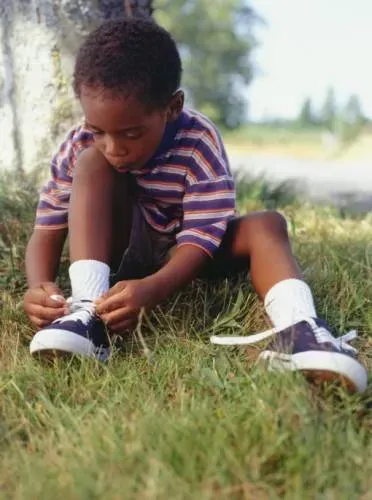
How to build resiliency

Help your child repair and learn from mistakes

There's a reason why your child does better on school days
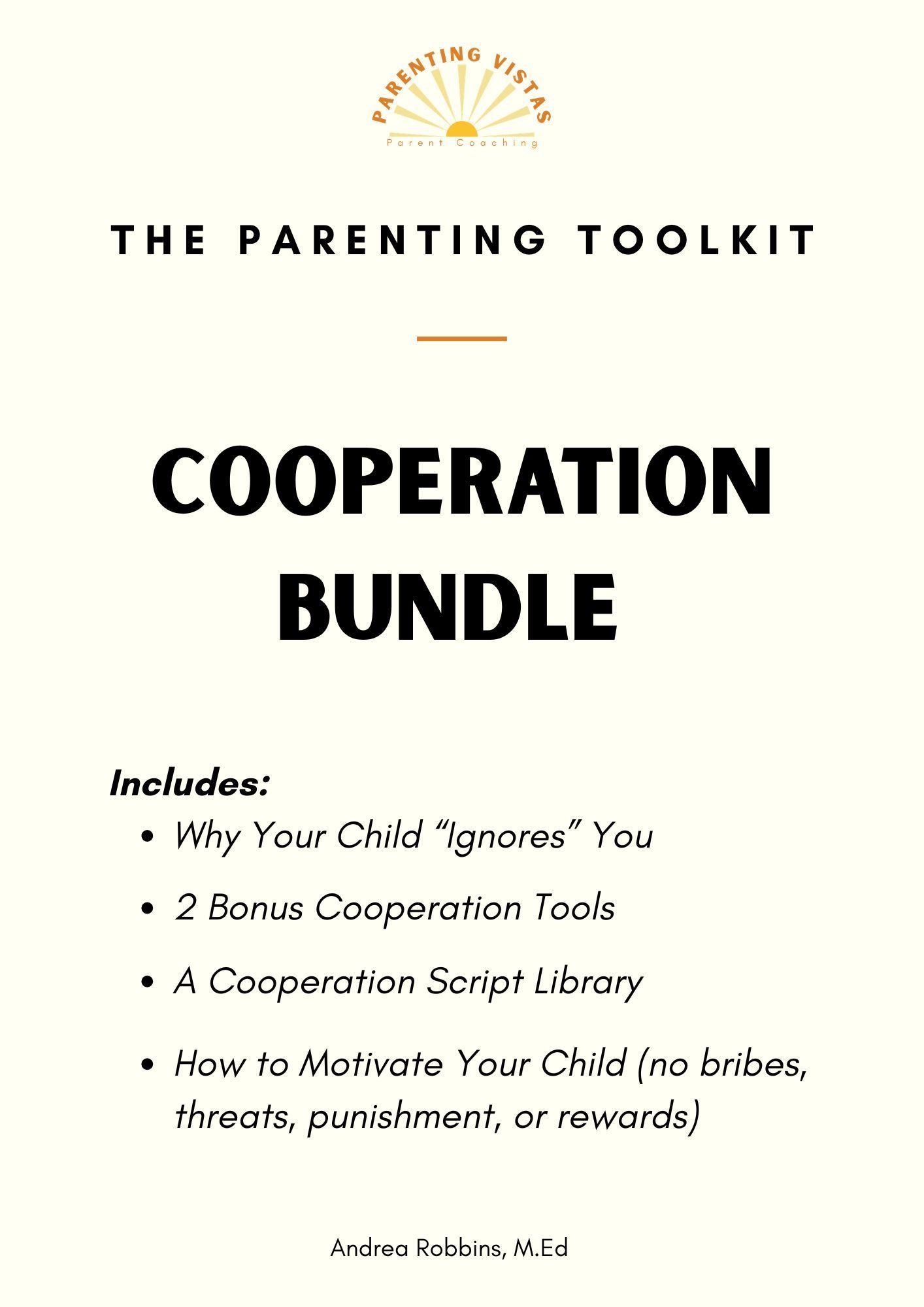
I'm really excited to share something new I've been working on! I'm creating a Parenting Toolkit , and the first resource of the bunch, The Cooperation Playbook, is finally here! The idea rose from my work with parents, where I kept seeing the same need: parents who want practical tools they can use in the moment, something they can easily access when they're completely overwhelmed and wondering, "What now?!" If you're a parent who is tired of repeating yourself (only to have your child still not listen) and getting stuck in power struggles, this is for you. In the Playbook , I break down the challenges behind your child not listening. Here you'll learn 6 tools to meet your child where they are, hold boundaries, and gain cooperation without yelling, threats, bribes, or rewards. You can find The Cooperation Playbook here or The full Cooperation Bundle here. The bundle includes: The Cooperation Playbook (11 pages), 2 bonus cooperation tools, a cooperation script library, and a guide on how to motivate your child for lasting cooperation I'm happy to answer any questions; you can respond directly to this email. Warmly, Andrea Robbins, M.Ed | Parent Coach | Parenting Vistas
Tips for a smoother start

What Charlie Brown was Trying to Tell Us

...and how it relates to parenting

The dreaded public meltdown
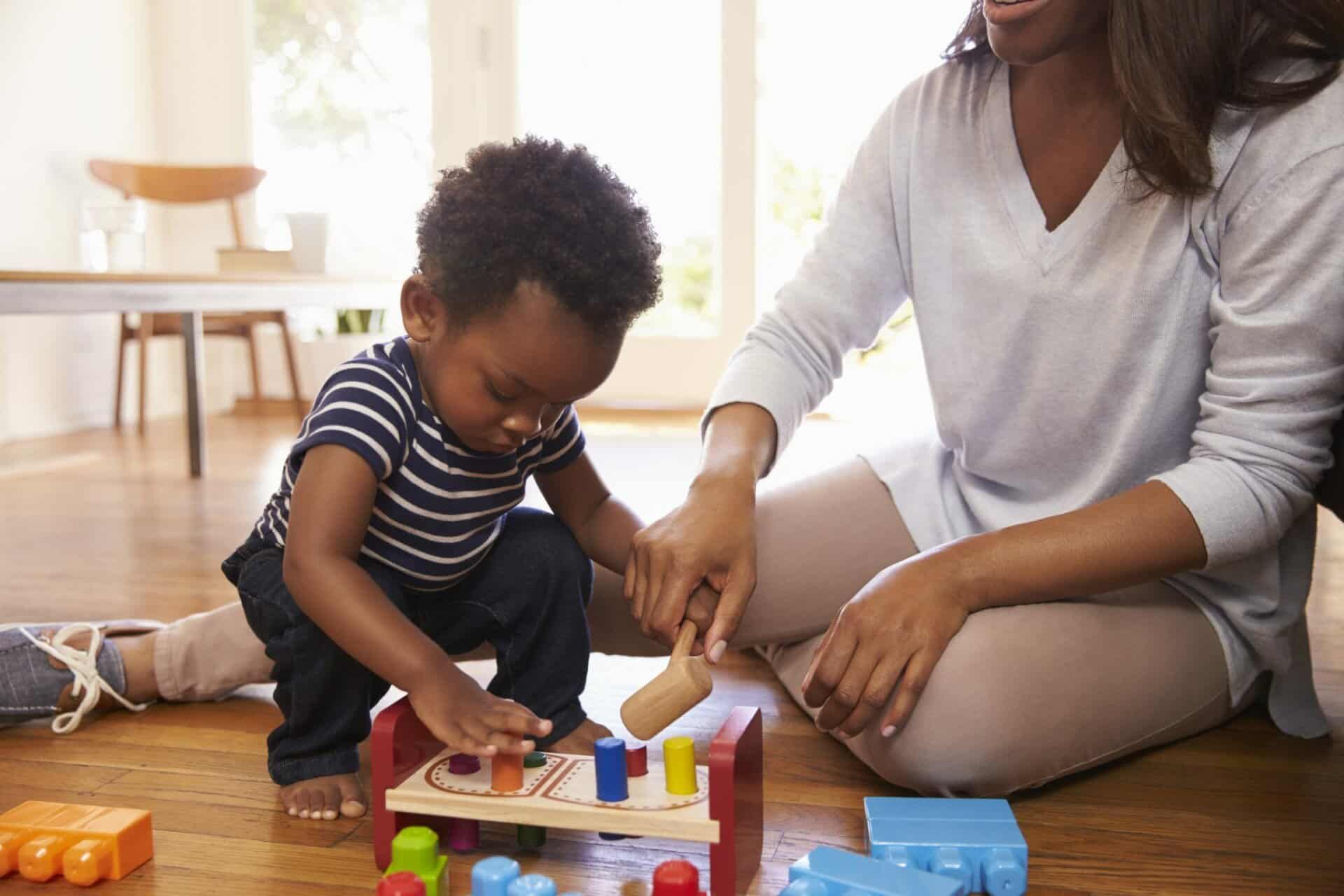
5 Simple Ways to Connect With Your Toddler (That Actually Leads to Cooperation and Resiliency) Connection isn’t something extra to do when there’s “time”. It's something you build into your everyday moments, and it’s what makes everything else work. 1. Get on their level Sit on the floor, make eye contact, and enter their world. This instantly decreases power struggles and invites connection (and cooperation) 2. 10 minutes of “Special Time” Let your toddler lead the play. No phone. No directing. Even 10-minutes of child-led play will fill their connection cup 3. Narrate: “I see you” “You're stacking the blocks so tall.” This helps your toddler feel seen and builds language at the same time. 4. Make transitions playful Transitions are hard for many toddlers, and they will resist being met with control. Toddlers typically respond better to connection and playfulness. This will lower resistance instantly. “Can you hop like a bunny (stomp like a dinosaur) to put your shoes on (brush your teeth)?” 5. Redo & Repair When things go off the rails, “Want a do-over?” “Can you try asking me again?” We all lose it sometimes, “I don’t like how I yelled. I’m working on staying calm.” These allow for learning from mistakes and building skills without shame. “Perfect” parenting is never the goal, but authentic parenting is. If you want to parent this way, but find yourself getting stuck in the moment, that's exactly what I help with in my program. Come join!