What Your Child Learns from Your "No." (It will matter more when they're a teen)
Andrea Robbins • November 17, 2025
The Parenting Skill that Changes Everything

When Saying “No” Feels Impossible
If you’ve ever said “no” to your child and then panicked the second they got upset… you’re not alone.
I hear this all the time from the parents I work with:
- “I don’t want to be the reason my child is crying.”
- “They get so upset… maybe I should just let it go.”
- “I hate feeling like the bad guy.”
And so the firm “no” suddenly becomes…“Okay, fine.”
But here’s the truth no one really talks about:
A child being upset does not mean you’re doing something wrong.
Your child is allowed to have feelings or a reaction to your boundary. Their tears or frustration aren’t a cue to change the boundary; they’re part of how they learn to handle life.
And when you hold the boundary calmly, something powerful happens.
What a Child Learns When You Hold a Boundary
1. Boundaries = Safety
Kids test limits not to be difficult, but to confirm that someone steady is in charge. When you hold the line, the world feels predictable and safe.
2. Emotions Are Safe to Feel
Your child learns:
“I can feel upset… and still be okay.”
You’re teaching emotional literacy and intelligence without saying a word.
3. Disappointment Is Tolerable
They begin to understand that disappointment isn’t catastrophic. They can handle it.
This builds resilience little by little.
4. Regulation Starts With Your Calm
When you stay grounded, their nervous system borrows your stability. This is how children actually learn to regulate.
5. No Doesn’t Mean Disconnection
A held boundary sends the message:
“I love you, even when you’re frustrated.”
Rules and relationship can coexist.
6. Respect Goes Both Ways
They learn that everyone has limits and that honoring them is part of being in relationship with others.
7. Consistency Builds Trust
When “no” is sometimes “no” and sometimes “fine,” kids stay in testing mode. When it’s consistent, they relax.
8. Problem-Solving Skills Grow
Without a parent rescuing or giving in, children learn to adapt, wait, and find alternatives.
So What Should You Do in the Moment?
Keep the “no.”
Let your child have their feeling.
Stay nearby, steady, and connected.
Try:
“I know waiting is hard.”
“You’re really upset. I’m right here.”
“We’ll eat soon. You’re safe.”
You don’t have to make the feeling go away.
You don’t have to convince them.
You just have to be the calm in the storm.
Your steady presence teaches far more than the boundary itself.
Not the rule…
Not the limit…
But the safety underneath it.
If saying “no” feels impossible right now, you’re not failing, you’re learning. And your child is learning with you.
Your “no” today is shaping the emotional, relational, and even moral strengths your child will rely on years from now.
If you want more support with boundaries, emotional regulation, and calmer days at home, sign up for a free call
to get started.
Best,
Andrea Robbins, M.Ed | Parent Coach | Parenting Vistas

What your child is trying to tell you without words

How to build resiliency

Help your child repair and learn from mistakes

There's a reason why your child does better on school days
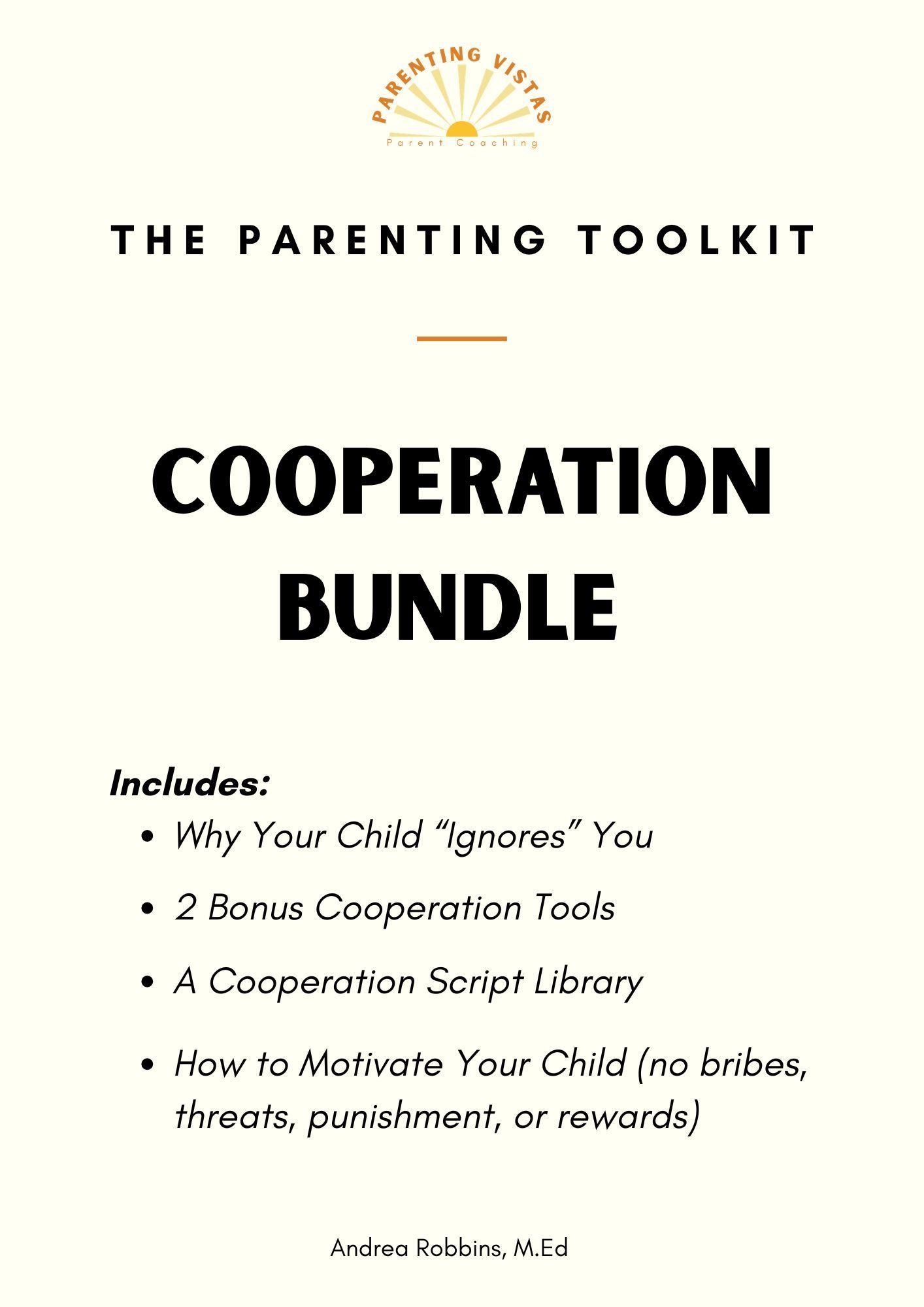
I'm really excited to share something new I've been working on! I'm creating a Parenting Toolkit , and the first resource of the bunch, The Cooperation Playbook, is finally here! The idea rose from my work with parents, where I kept seeing the same need: parents who want practical tools they can use in the moment, something they can easily access when they're completely overwhelmed and wondering, "What now?!" If you're a parent who is tired of repeating yourself (only to have your child still not listen) and getting stuck in power struggles, this is for you. In the Playbook , I break down the challenges behind your child not listening. Here you'll learn 6 tools to meet your child where they are, hold boundaries, and gain cooperation without yelling, threats, bribes, or rewards. You can find The Cooperation Playbook here or The full Cooperation Bundle here. The bundle includes: The Cooperation Playbook (11 pages), 2 bonus cooperation tools, a cooperation script library, and a guide on how to motivate your child for lasting cooperation I'm happy to answer any questions; you can respond directly to this email. Warmly, Andrea Robbins, M.Ed | Parent Coach | Parenting Vistas
Tips for a smoother start

What Charlie Brown was Trying to Tell Us

...and how it relates to parenting

The dreaded public meltdown
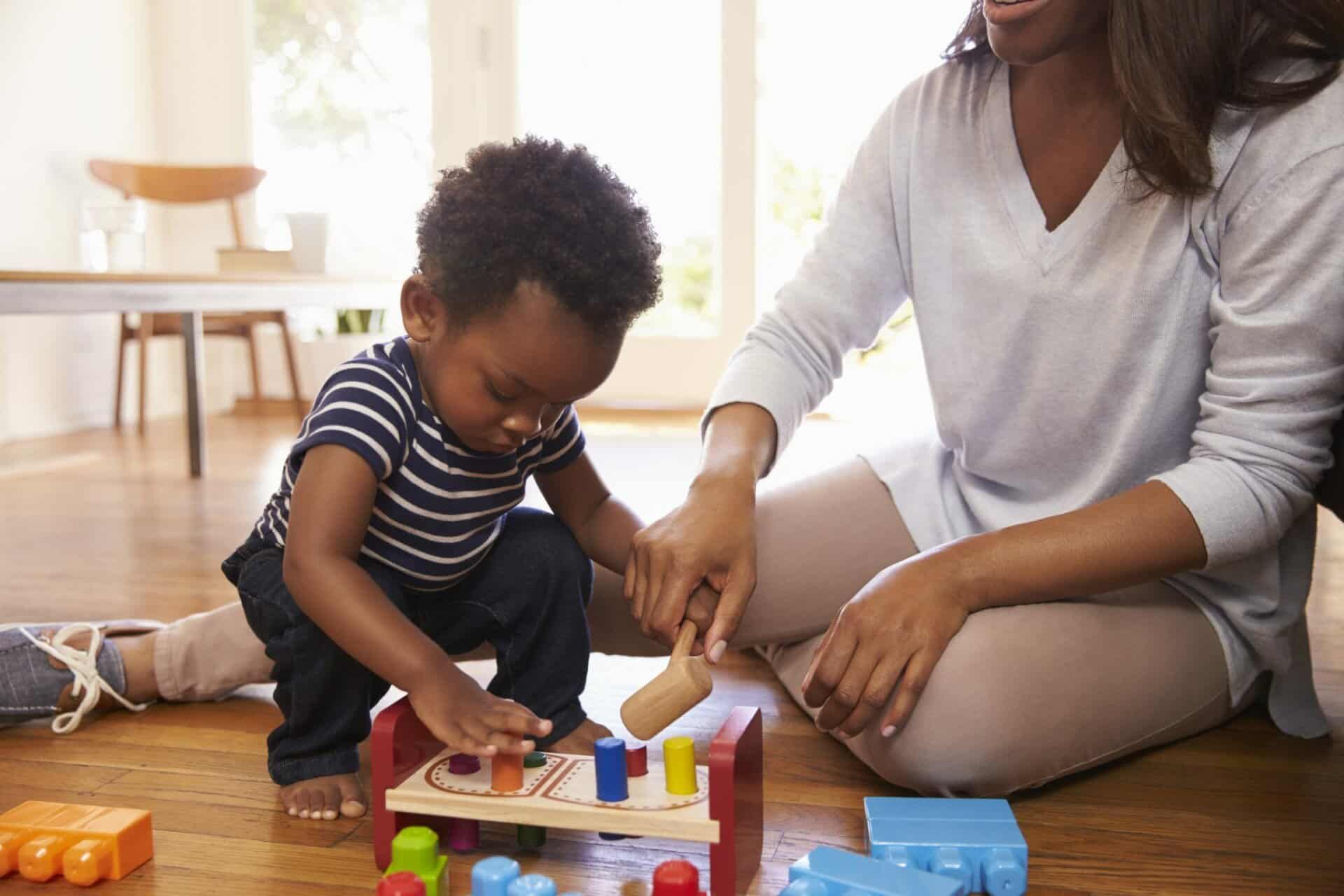
5 Simple Ways to Connect With Your Toddler (That Actually Leads to Cooperation and Resiliency) Connection isn’t something extra to do when there’s “time”. It's something you build into your everyday moments, and it’s what makes everything else work. 1. Get on their level Sit on the floor, make eye contact, and enter their world. This instantly decreases power struggles and invites connection (and cooperation) 2. 10 minutes of “Special Time” Let your toddler lead the play. No phone. No directing. Even 10-minutes of child-led play will fill their connection cup 3. Narrate: “I see you” “You're stacking the blocks so tall.” This helps your toddler feel seen and builds language at the same time. 4. Make transitions playful Transitions are hard for many toddlers, and they will resist being met with control. Toddlers typically respond better to connection and playfulness. This will lower resistance instantly. “Can you hop like a bunny (stomp like a dinosaur) to put your shoes on (brush your teeth)?” 5. Redo & Repair When things go off the rails, “Want a do-over?” “Can you try asking me again?” We all lose it sometimes, “I don’t like how I yelled. I’m working on staying calm.” These allow for learning from mistakes and building skills without shame. “Perfect” parenting is never the goal, but authentic parenting is. If you want to parent this way, but find yourself getting stuck in the moment, that's exactly what I help with in my program. Come join!