You Can't "Do" a "Don't"
Andrea Robbins • November 20, 2025
How to get your kids to cooperate

You Can’t "Do" a "Don’t”
The Parenting Shift That Makes Everything Easier
Most parents don’t realize it, but one tiny communication habit can make or break cooperation:
We spend a lot of time telling kids what not to do.
“Don’t run.”
“Don’t yell.” “Don’t hit.” “Don’t touch.”
Here’s the problem:
Kids can’t do a don’t.
Their brains don’t automatically translate a “stop doing this” into “start doing that instead.”
So when we say “Don’t…!” they still don’t know what to do. And confusion often leads to frustration, pushback, or more of the same behavior.
Let’s break down what this means and how you can use it to create calmer, clearer moments with your child.
Why “Don’t” Doesn’t Work (Especially for Young Kids)
Young children process language literally. When they hear:
“Don’t run!”, their brain pictures… running.
And without a clear alternative behavior, they have nothing to pivot to.
That’s why “don’t” statements (even with the best intentions) often make kids:
- feel corrected but not guided
- escalate because they don’t know what to do
- or repeat the behavior you’re trying to stop
It’s not defiance.
It’s development.
What To Say Instead: Give the “Do”
If you want your child to stop something, tell them what to do instead.
Here are a few swaps to make your life easier:
❌ “Don’t run.”
✅ “Use walking feet.”
❌ “Don’t grab.”
✅ “Ask for a turn.”
❌ “Don’t yell.”
✅ “Use a quieter voice.”
❌ “Don’t touch that.”
✅ “Keep your hands on your lap.”
These small shifts give your child a clear path forward, and that’s when cooperation really improves.
Why This Works So Well
By focusing on the “do,” you’re:
offering a concrete action they can follow
keeping their brain regulated
reducing power struggles
setting them up for success instead of shame
Kids feel more capable, more understood, and more willing to work with you.
And you get fewer battles and way more moments that feel peaceful.
Try This Today
Pick one “don’t” phrase you use often. Rewrite it as a “do.”
Use it for the next 24 hours and watch what happens.
Small shifts like this change the entire tone of your home.
Best,
Andrea Robbins, M.Ed. | Parent Coach | Parenting Vistas

What your child is trying to tell you without words

How to build resiliency

Help your child repair and learn from mistakes

There's a reason why your child does better on school days
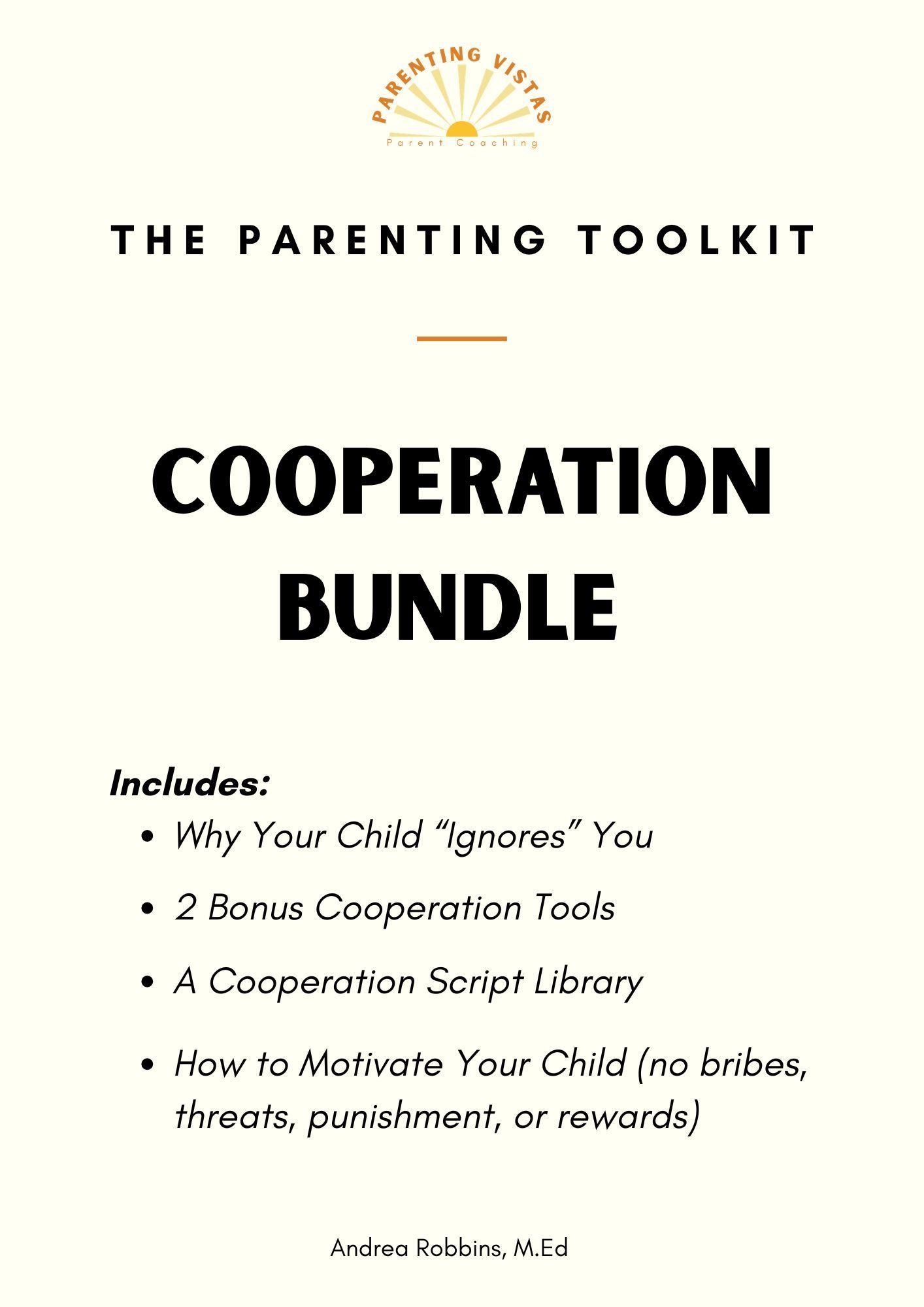
I'm really excited to share something new I've been working on! I'm creating a Parenting Toolkit , and the first resource of the bunch, The Cooperation Playbook, is finally here! The idea rose from my work with parents, where I kept seeing the same need: parents who want practical tools they can use in the moment, something they can easily access when they're completely overwhelmed and wondering, "What now?!" If you're a parent who is tired of repeating yourself (only to have your child still not listen) and getting stuck in power struggles, this is for you. In the Playbook , I break down the challenges behind your child not listening. Here you'll learn 6 tools to meet your child where they are, hold boundaries, and gain cooperation without yelling, threats, bribes, or rewards. You can find The Cooperation Playbook here or The full Cooperation Bundle here. The bundle includes: The Cooperation Playbook (11 pages), 2 bonus cooperation tools, a cooperation script library, and a guide on how to motivate your child for lasting cooperation I'm happy to answer any questions; you can respond directly to this email. Warmly, Andrea Robbins, M.Ed | Parent Coach | Parenting Vistas
Tips for a smoother start

What Charlie Brown was Trying to Tell Us

...and how it relates to parenting

The dreaded public meltdown
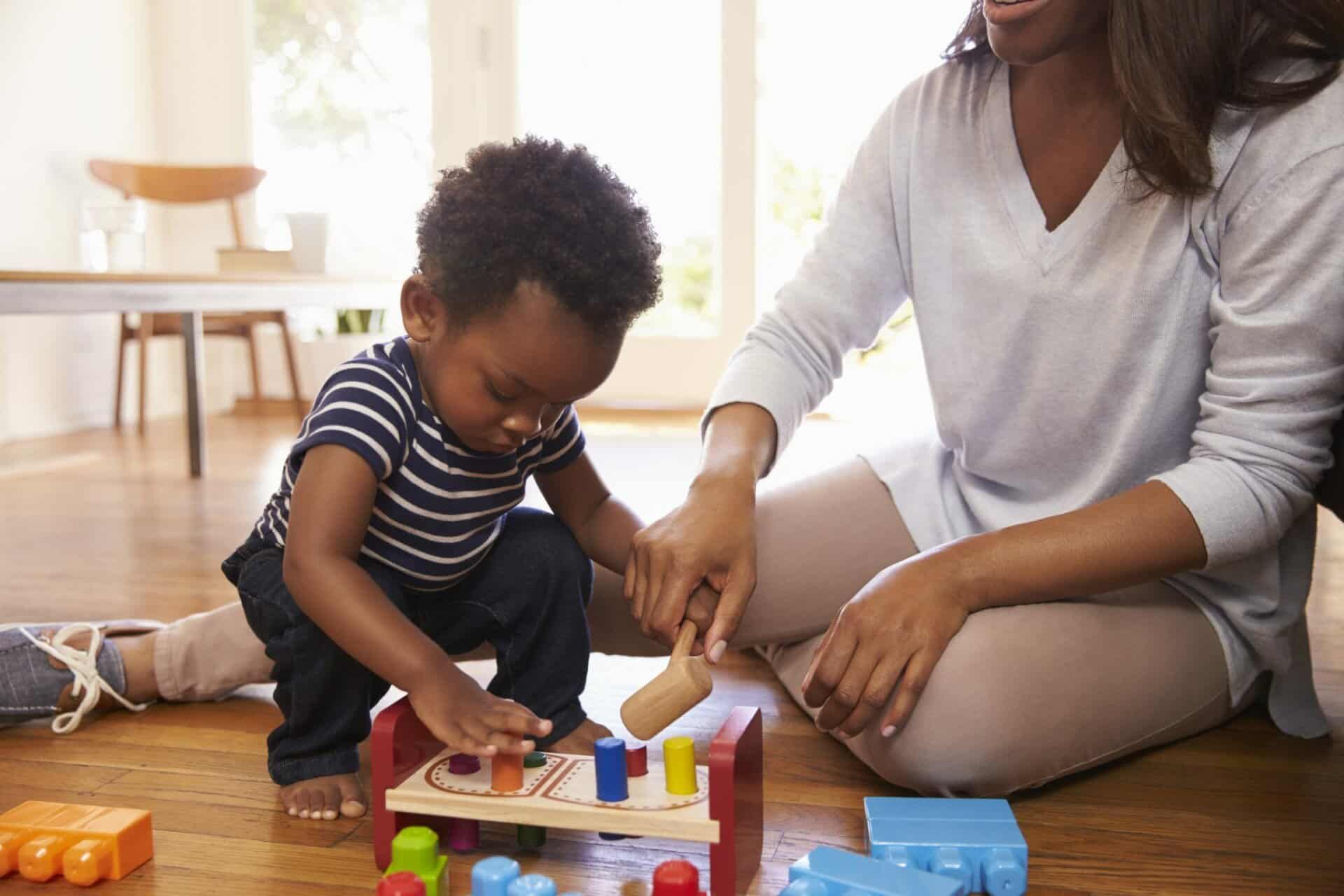
5 Simple Ways to Connect With Your Toddler (That Actually Leads to Cooperation and Resiliency) Connection isn’t something extra to do when there’s “time”. It's something you build into your everyday moments, and it’s what makes everything else work. 1. Get on their level Sit on the floor, make eye contact, and enter their world. This instantly decreases power struggles and invites connection (and cooperation) 2. 10 minutes of “Special Time” Let your toddler lead the play. No phone. No directing. Even 10-minutes of child-led play will fill their connection cup 3. Narrate: “I see you” “You're stacking the blocks so tall.” This helps your toddler feel seen and builds language at the same time. 4. Make transitions playful Transitions are hard for many toddlers, and they will resist being met with control. Toddlers typically respond better to connection and playfulness. This will lower resistance instantly. “Can you hop like a bunny (stomp like a dinosaur) to put your shoes on (brush your teeth)?” 5. Redo & Repair When things go off the rails, “Want a do-over?” “Can you try asking me again?” We all lose it sometimes, “I don’t like how I yelled. I’m working on staying calm.” These allow for learning from mistakes and building skills without shame. “Perfect” parenting is never the goal, but authentic parenting is. If you want to parent this way, but find yourself getting stuck in the moment, that's exactly what I help with in my program. Come join!