When Screen Time Ends in a Meltdown
Andrea Robbins • February 26, 2026
What's really going on

When Screen Time Ends in a Meltdown: What’s Really Going On
If your child explodes the second you say, “Time to turn off the iPad,” you are not alone.
This is one of the most common struggles I hear from parents:
- “They completely lose it when screen time ends.”
- “It takes 30 minutes to get them back on track.”
- “I feel like we’re constantly fighting about tech.”
Tech transitions are hard because they impact the nervous system, not because your child is manipulative, spoiled, or disrespectful.
The way we handle these transitions can shape how connected our child feels to us in hard moments, and when we understand what’s happening in the brain and body, we stop making it about power… and start making it about regulation.
And that shift changes everything.
Shift #1: Think “Nervous System,” Not “Behavior Problem”
Screen time is highly stimulating.
It delivers:
- Fast dopamine hits (anticipation + reward)
- Bright lights
- Rapid feedback
- Low-effort engagement
When it ends, the brain experiences a sharp drop in stimulation.
That drop can look like:
- Irritability
- Arguing
- Crying
- Aggression
- Refusal
- Yelling
This is dysregulation.
Even when the transition is expected, it can still feel like a loss. The brain processes the end of something pleasurable as a micro-loss. And the nervous system reacts to loss with protest:
- “One more minute!”
- “It’s not fair!”
- “You’re so mean!”
That meltdown is not proof your child can’t handle limits.
It’s proof they need support transitioning.
When you say, “Time’s up,” you’re asking your child to:
- Stop something highly stimulating
- Tolerate disappointment
- Shift tasks
- Regulate their body
- Accept your limit
All at once.
That’s a lot, especially for a developing brain that doesn’t yet have mature impulse control or flexible transition skills.
So what’s the first thing to do when a meltdown starts?
Work on your own regulation.
That’s the only nervous system you have full control over in that moment. You can hold the boundary, but you don’t get to control how they receive it.
You are the anchor, and you’re teaching them, “You are safe with me, even when you’re upset.”
Shift #2: Create Productive Expectations That Actually Work
One of the biggest mistakes I see?
Expecting immediate productivity.
“Okay, turn it off. Now go do your homework.”
“Time’s up. Go clean your room.”
“Put it away and get ready for bed.”
That’s a massive jump.
Instead, build in a buffer.
Think: transition → regulation → productivity.
Examples:
- Snack + connection first
- 10-minute reset (outside, jumping, stretching)
- Sitting with them for the first 3 minutes of homework
- Helping them start the next task
Make expectations:
✔ Clear
✔ Specific
✔ Achievable
Instead of:
“Be good.”
Say:
“When the timer goes off, the iPad goes on the counter. Then we’ll have a snack together.”
Clarity reduces conflict.
Shift #3: Communicate Without Escalating
Here’s what tends to make things worse:
- Overexplaining
- Negotiating in the moment
- Emotional threats
- Lecturing about responsibility
Instead, think simple and predictable.
Before tech:
Set the plan.
“When the timer goes off, it’s done. Then we’ll ___.”
During the transition:
Stay calm. Stay brief.
“Time’s up. I’ll help you.”
Expect feelings. Don’t debate them.
You can say:
“I know it’s hard to stop. I’m here.”
That sentence alone can lower defensiveness.
Shift #4: Promote Regulation Before Productivity
If you skip regulation and go straight to demands, you increase disruption.
Try discharge + connection first.
Options:
- Jumping or wall pushes
- Animal walks
- Outside air
- Cold water on the face
- A protein snack
- 5 minutes of playful connection
Regulation → then productivity.
Not the other way around.
Navigating the Complexity
Some kids:
- Are more sensitive to stimulation
- Struggle more with transitions
- Take longer to regulate
- Have more rigid nervous systems
This isn’t one-size-fits-all.
Instead of asking:
“How do I make them stop fighting?”
Shift to:
“What does my child need to transition well?”
Connection reduces power struggles.
Preparation reduces explosions.
Regulation increases cooperation.
“But I’ve Tried Everything…”
You might be thinking:
1. “But they still scream.”
Yes. And you can hold the boundary while supporting regulation.
2. “But shouldn’t they just learn?”
They learn through co-regulation, not force.
3. “But I don’t want to sit with them every time.”
You won’t forever. You’re building a skill.
Co-regulation now becomes self-regulation later.
If You Remember One Thing
Tech transitions are nervous system events, not character flaws.
When you see it as regulation, not behavior your strategy shifts.
Instead of:
“They’re being dramatic.”
It becomes:
“They need support transitioning.”
Support might look like:
- Clear countdowns
- Predictable routines
- A buffer activity
- Movement
- Calm co-regulation
Boundaries still matter.
But regulation support makes the boundary easier to hold, and teaches your child that limits and love can coexist.
And when we support regulation, we:
- Reduce disruption
- Increase connection
- Get more cooperation
Not through control.
Through understanding.

What your child is trying to tell you without words

How to build resiliency

Help your child repair and learn from mistakes

There's a reason why your child does better on school days

I'm really excited to share something new I've been working on! I'm creating a Parenting Toolkit , and the first resource of the bunch, The Cooperation Playbook, is finally here! The idea rose from my work with parents, where I kept seeing the same need: parents who want practical tools they can use in the moment, something they can easily access when they're completely overwhelmed and wondering, "What now?!" If you're a parent who is tired of repeating yourself (only to have your child still not listen) and getting stuck in power struggles, this is for you. In the Playbook , I break down the challenges behind your child not listening. Here you'll learn 6 tools to meet your child where they are, hold boundaries, and gain cooperation without yelling, threats, bribes, or rewards. You can find The Cooperation Playbook here or The full Cooperation Bundle here. The bundle includes: The Cooperation Playbook (11 pages), 2 bonus cooperation tools, a cooperation script library, and a guide on how to motivate your child for lasting cooperation I'm happy to answer any questions; you can respond directly to this email. Warmly, Andrea Robbins, M.Ed | Parent Coach | Parenting Vistas

Tips for a smoother start

What Charlie Brown was Trying to Tell Us

...and how it relates to parenting

The dreaded public meltdown
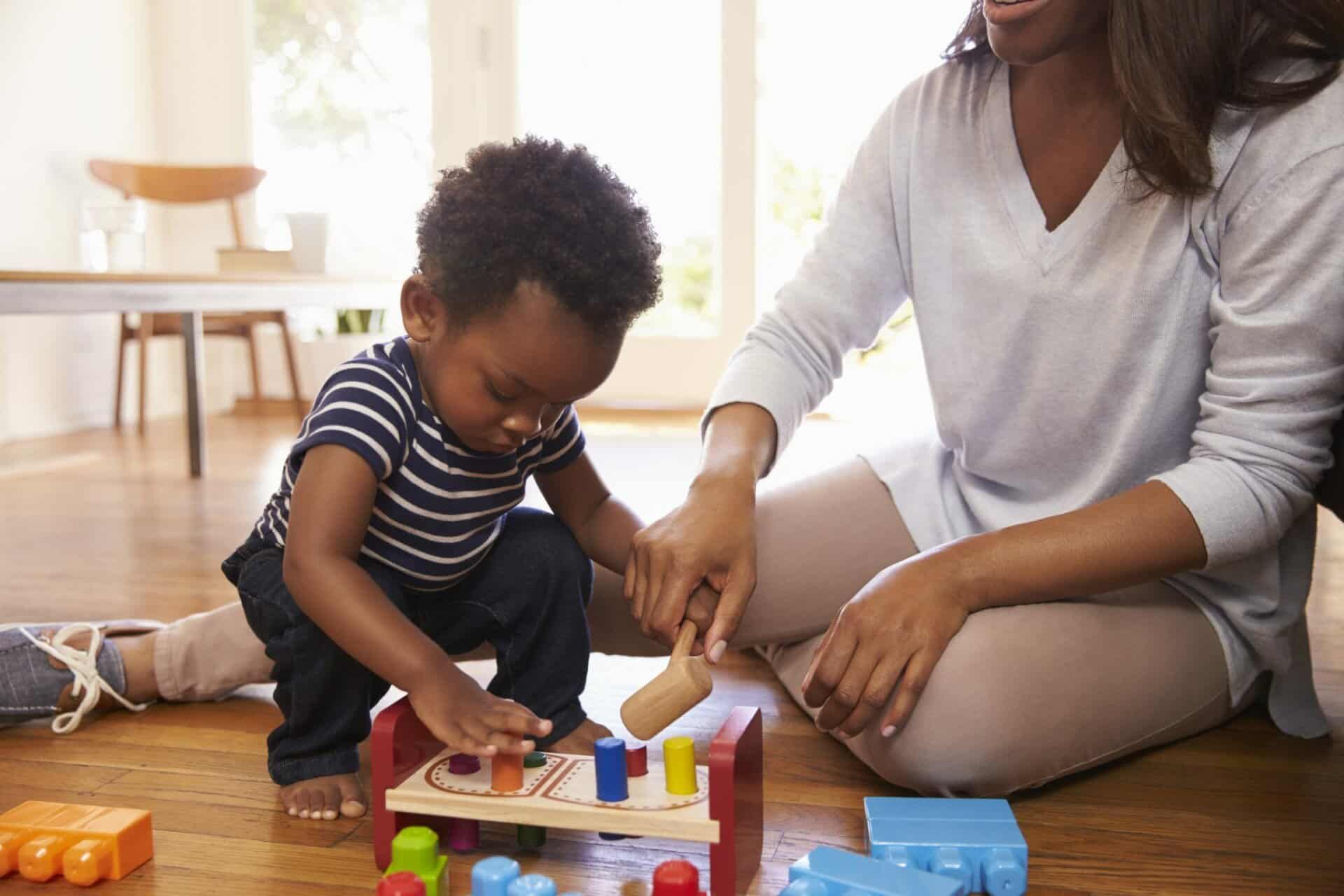
5 Simple Ways to Connect With Your Toddler (That Actually Leads to Cooperation and Resiliency) Connection isn’t something extra to do when there’s “time”. It's something you build into your everyday moments, and it’s what makes everything else work. 1. Get on their level Sit on the floor, make eye contact, and enter their world. This instantly decreases power struggles and invites connection (and cooperation) 2. 10 minutes of “Special Time” Let your toddler lead the play. No phone. No directing. Even 10-minutes of child-led play will fill their connection cup 3. Narrate: “I see you” “You're stacking the blocks so tall.” This helps your toddler feel seen and builds language at the same time. 4. Make transitions playful Transitions are hard for many toddlers, and they will resist being met with control. Toddlers typically respond better to connection and playfulness. This will lower resistance instantly. “Can you hop like a bunny (stomp like a dinosaur) to put your shoes on (brush your teeth)?” 5. Redo & Repair When things go off the rails, “Want a do-over?” “Can you try asking me again?” We all lose it sometimes, “I don’t like how I yelled. I’m working on staying calm.” These allow for learning from mistakes and building skills without shame. “Perfect” parenting is never the goal, but authentic parenting is. If you want to parent this way, but find yourself getting stuck in the moment, that's exactly what I help with in my program. Come join!