Your Child Was Fine All Day (But Melts Down After School)
Andrea Robbins • February 15, 2026
This is why

Your Child Melts Down After School (But “Was Fine” All Day), This Is Why
I hear this from clients all the time:
“They hold it together at school… but the second they get in the car, it’s a meltdown.”
“Her teacher says she had a great day, then she screams at home for an hour.”
“He’s so well behaved with the babysitter. Why does he fall apart with me?”
If this is your child, I want you to hear this clearly:
It’s not because you’re doing something wrong.
And it’s not because your child is manipulative, dramatic, or “saving it for you.”
It’s because they feel safe with you.
School Requires a Massive Amount of Regulation
All day at school, your child is:
- Following directions
- Waiting their turn
- Managing social dynamics
- Sitting still
- Coping with noise, transitions, and expectations
- Suppressing big feelings
Even if they love school, that’s a LOT of self-control.
From a nervous system perspective, they are “holding it together.” And holding it together takes energy.
By the end of the day, their regulation tank is empty.
Home Is the Safe Landing Zone
When your child walks through your door, their nervous system finally exhales.
And sometimes that exhale looks like:
- Tears
- Yelling
- Irritability
- Clinginess
- Complete emotional collapse
It’s not calculated. It’s not strategic.
It’s decompression.
You are their safest place. So you get the unfiltered version.
And I know that can feel unfair.
This Is a Nervous System Pattern, Not a Character Flaw
When kids are in environments that require sustained self-control, their brains are working hard in the prefrontal cortex (the “thinking brain”).
By late afternoon, that part of the brain is fatigued.
The emotional brain is louder.
Add hunger. Add overstimulation. Add social stress.
Boom. After-school meltdown.
This is incredibly common in nursery and elementary-aged kids, and yes, even in kids who are “good at school.”
What Actually Helps
Instead of trying to correct the behavior immediately, think in terms of regulation first.
Some ideas:
- Offer a snack immediately (blood sugar matters more than we think).
- Reduce questions. (“How was your day? What happened? Who did you sit with?” can feel overwhelming.)
- Create a predictable decompression routine.
- Allow quiet time before homework.
- Lead with connection, not correction.
Sometimes the most powerful response is simply:
“You held it together all day. That’s a lot. I’m here.”
If This Is Happening in Your Home…
You are not alone.
I hear this from many parents I work with. Often, once they understand what’s actually happening beneath the surface, the whole dynamic shifts.
When we understand this as nervous system overload, not defiance, everything shifts.
You’re not getting their worst.
You’re getting their most authentic.
And that means you’re their safe place.
If this dynamic feels familiar, it’s not random, and it’s not something your child will just “grow out of.”
There are practical, nervous-system-based strategies that make afternoons calmer and connection stronger.
If you want support applying them in your real life (not just in theory), schedule a free call today.
Let’s make your home feel lighter.
Best,
Andrea Robbins, M.Ed | Parent Coach | Parenting Vistas

How to build resiliency

Help your child repair and learn from mistakes

There's a reason why your child does better on school days
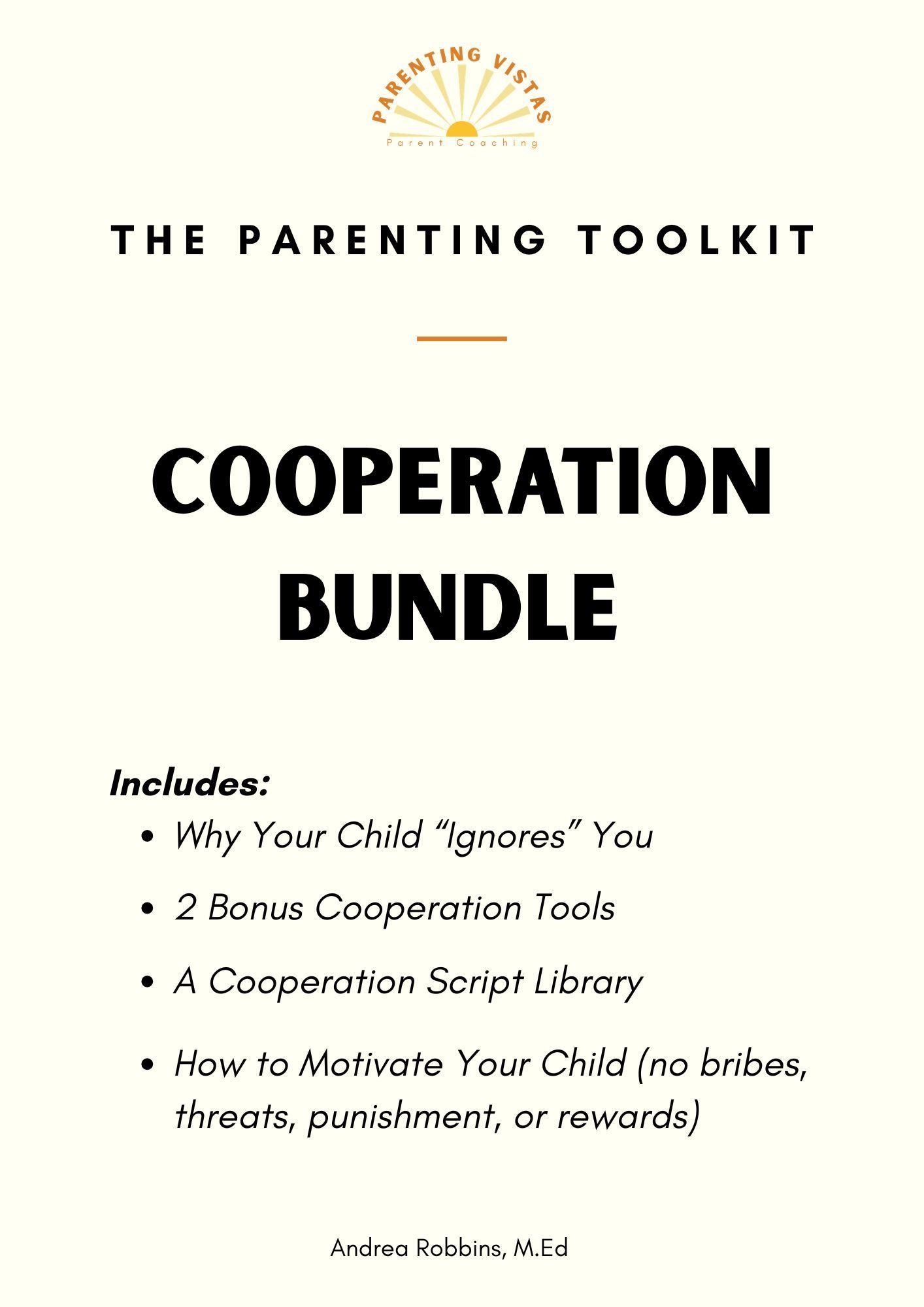
I'm really excited to share something new I've been working on! I'm creating a Parenting Toolkit , and the first resource of the bunch, The Cooperation Playbook, is finally here! The idea rose from my work with parents, where I kept seeing the same need: parents who want practical tools they can use in the moment, something they can easily access when they're completely overwhelmed and wondering, "What now?!" If you're a parent who is tired of repeating yourself (only to have your child still not listen) and getting stuck in power struggles, this is for you. In the Playbook , I break down the challenges behind your child not listening. Here you'll learn 6 tools to meet your child where they are, hold boundaries, and gain cooperation without yelling, threats, bribes, or rewards. You can find The Cooperation Playbook here or The full Cooperation Bundle here. The bundle includes: The Cooperation Playbook (11 pages), 2 bonus cooperation tools, a cooperation script library, and a guide on how to motivate your child for lasting cooperation I'm happy to answer any questions; you can respond directly to this email. Warmly, Andrea Robbins, M.Ed | Parent Coach | Parenting Vistas

Tips for a smoother start

What Charlie Brown was Trying to Tell Us

...and how it relates to parenting

The dreaded public meltdown
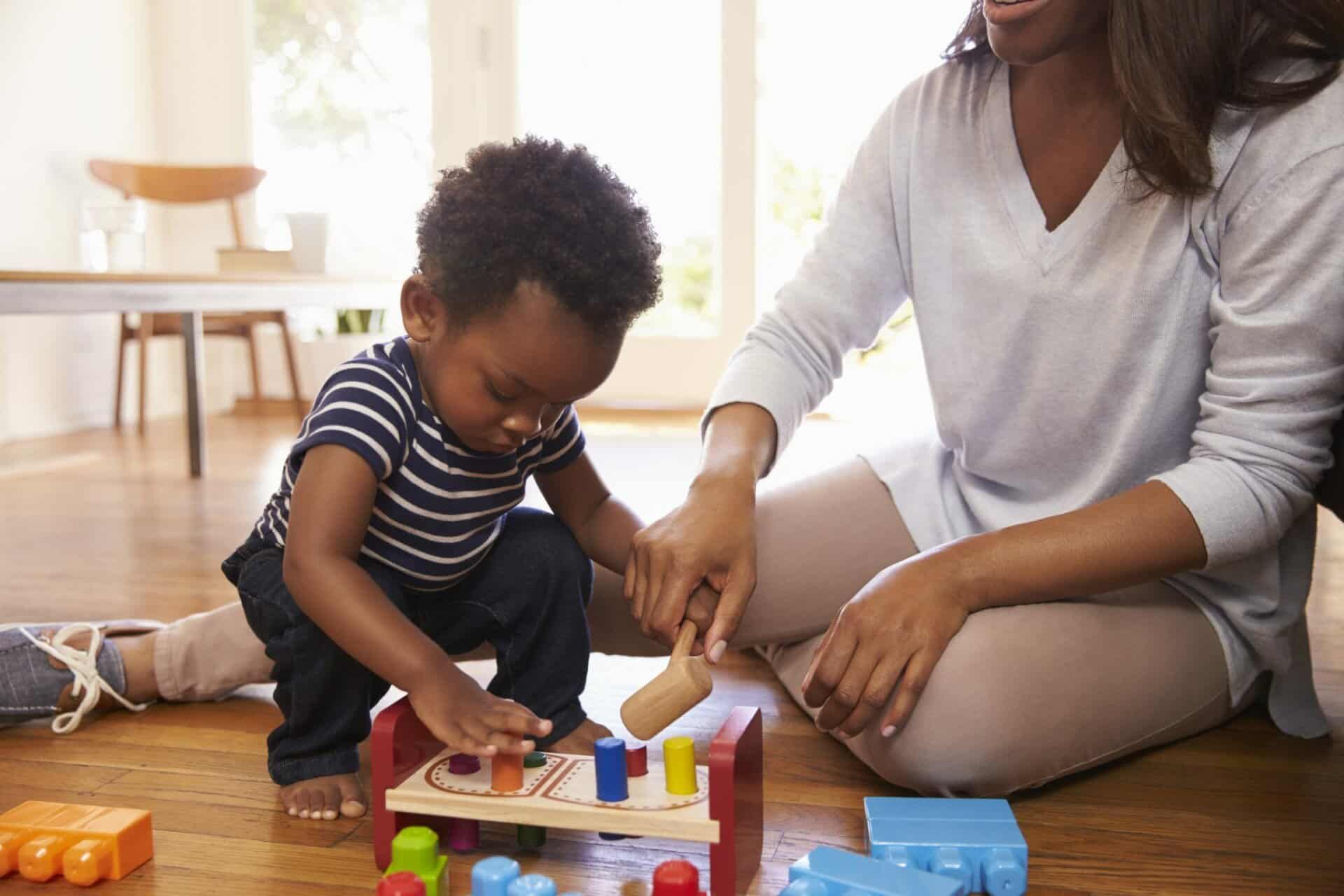
5 Simple Ways to Connect With Your Toddler (That Actually Leads to Cooperation and Resiliency) Connection isn’t something extra to do when there’s “time”. It's something you build into your everyday moments, and it’s what makes everything else work. 1. Get on their level Sit on the floor, make eye contact, and enter their world. This instantly decreases power struggles and invites connection (and cooperation) 2. 10 minutes of “Special Time” Let your toddler lead the play. No phone. No directing. Even 10-minutes of child-led play will fill their connection cup 3. Narrate: “I see you” “You're stacking the blocks so tall.” This helps your toddler feel seen and builds language at the same time. 4. Make transitions playful Transitions are hard for many toddlers, and they will resist being met with control. Toddlers typically respond better to connection and playfulness. This will lower resistance instantly. “Can you hop like a bunny (stomp like a dinosaur) to put your shoes on (brush your teeth)?” 5. Redo & Repair When things go off the rails, “Want a do-over?” “Can you try asking me again?” We all lose it sometimes, “I don’t like how I yelled. I’m working on staying calm.” These allow for learning from mistakes and building skills without shame. “Perfect” parenting is never the goal, but authentic parenting is. If you want to parent this way, but find yourself getting stuck in the moment, that's exactly what I help with in my program. Come join!
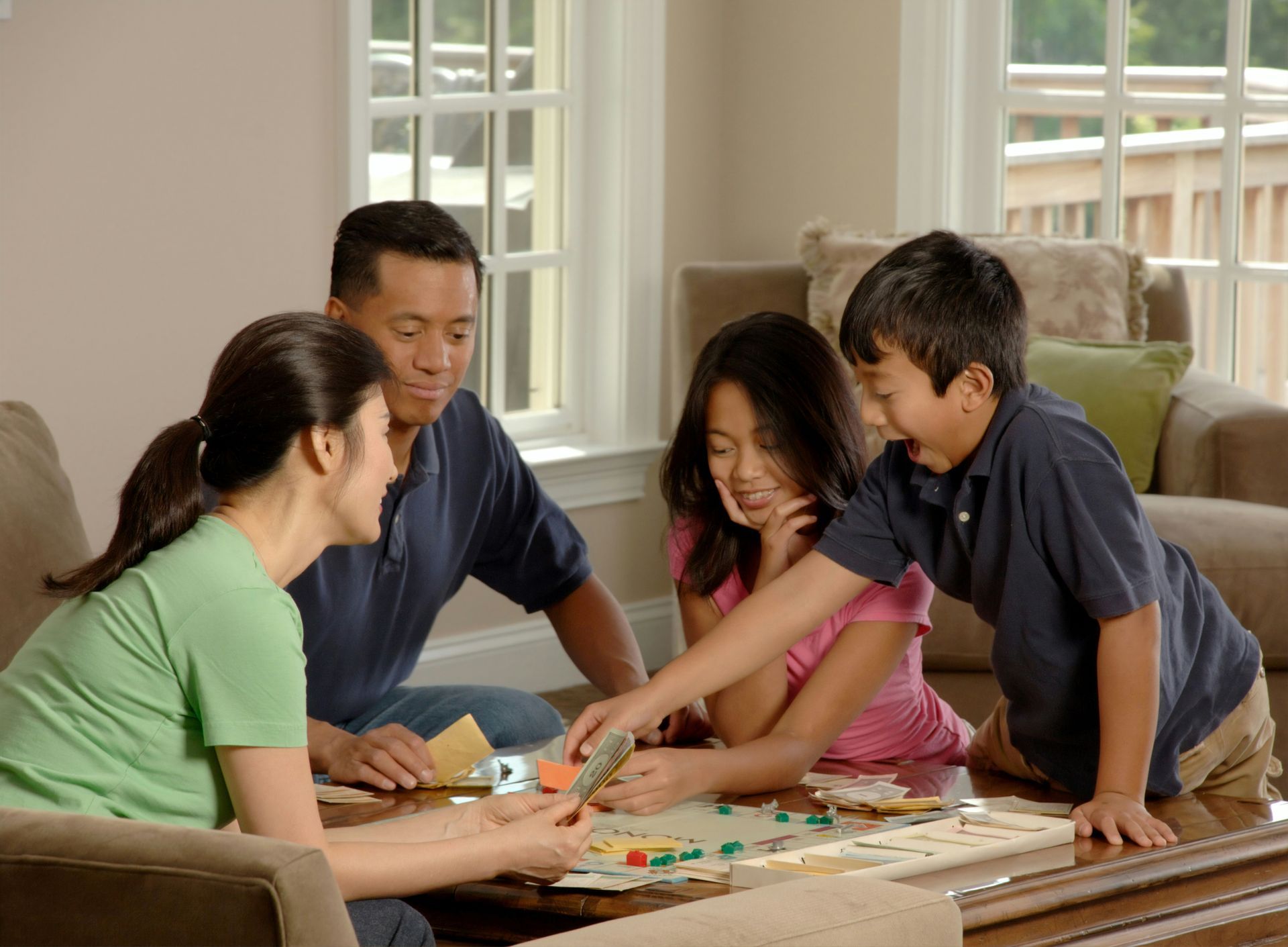
Connection Changes Everything in Parenting Most parenting advice focuses on behavior: how to get kids to listen, follow directions, and cooperate. But under all that is something powerful: CONNECTION! Connection is what makes your parenting effective. (It’s not being loud, strict, or controlling) Connection is the foundation on which everything else is built. From the moment your child is born, you begin building this relationship. It is shaped day by day through how you respond, the way you set limits, and the way you show up. At its core, connection is what helps your child feel safe, understood, and secure with you. And when that’s in place, your guidance has somewhere to land. Why Connection Matters When connection is strong, things shift. Your child is more apt to cooperate. Power struggles don’t escalate as quickly. There’s more ease and willingness Not because you’re forcing it, but because of your relationship, your child wants to stay connected to you. This doesn’t mean everything becomes easy, but it does mean you’re working with your child instead of always pushing against them. What Connection Looks Like Connection isn’t big, grand gestures. It’s built in small, consistent ways: Giving your child your full attention, even for a few minutes Getting down on their level and being physically present Acknowledging their feelings without rushing to fix them Moments of play and lightness Following through on boundaries in a calm, predictable way These moments build trust over time, and that makes your parenting more effective. In the Hard Moments This is where connection matters most. When your child is melting down, refusing, or pushing limits, it can be easy to react quickly and escalate the situation, but connection gives you another way. Instead of meeting intensity with intensity, you can pause, get close, and lower your voice. You can hold a boundary and still communicate, “I’m here. You’re safe. I’ve got this.” This calm leadership and emotional safety are what will help your kids settle and re-engage. It’s Not About Being Perfect Connection doesn’t mean you never lose your patience or yell. You will. What matters is that you come back. You repair. You reconnect. Authenticity builds a strong, lasting relationship, and that’s the goal, not perfection. Any questions? Reach out. I'd love to hear from you. Best, Andrea Robbins, M.Ed | Parent Coach | Parenting Vistas