3 Ways to Build Better Communication
Andrea Robbins • November 26, 2025
If you want your kids to talk to you more...

Want Your Child to Actually Talk to You More?
If you’ve ever asked your child, “How was your day?” only to get a shrug, a one-word answer, or total silence… you’re not alone.
Kids want to communicate and connect, but the way we approach conversations can either open the door or shut it completely.
Here are 3 simple, powerful ways to build better communication with your child (no long talks or perfect parenting required):
1. Get Curious, Not Controlling
When your child says or does something confusing or unexpected, it’s so easy to jump into lecture mode.
But curiosity creates conversations. Control creates shutdown.
Try saying:
“Help me understand what happened.”
That one sentence keeps your child’s brain open instead of defensive. It tells them: You’re safe. I’m listening.
2. Reflect What You Hear
Kids open up more when they feel seen and understood, not corrected.
A simple reflection can make all the difference:
“So you felt left out when they didn’t pick you?”
This helps your child feel seen and supported, and it builds trust much faster than advice or problem-solving.
3. Keep It Short + Safe
When kids feel overwhelmed by too many words, too much emotion, or a confusing tone, they shut down.
Use short sentences, a calm voice, and clear reassurance, like:
“You’re not in trouble. I just want to understand.”
This helps their nervous system settle so their words can flow.
Communicate to connect, and your child will follow your lead.
Best,
Andrea Robbins, M.Ed | Parent Coach | Parenting Vistas
P.S. If you're ever looking for personalized tips specific to your family, sign up for a free call, and we can get started right away.

What your child is trying to tell you without words

How to build resiliency

Help your child repair and learn from mistakes
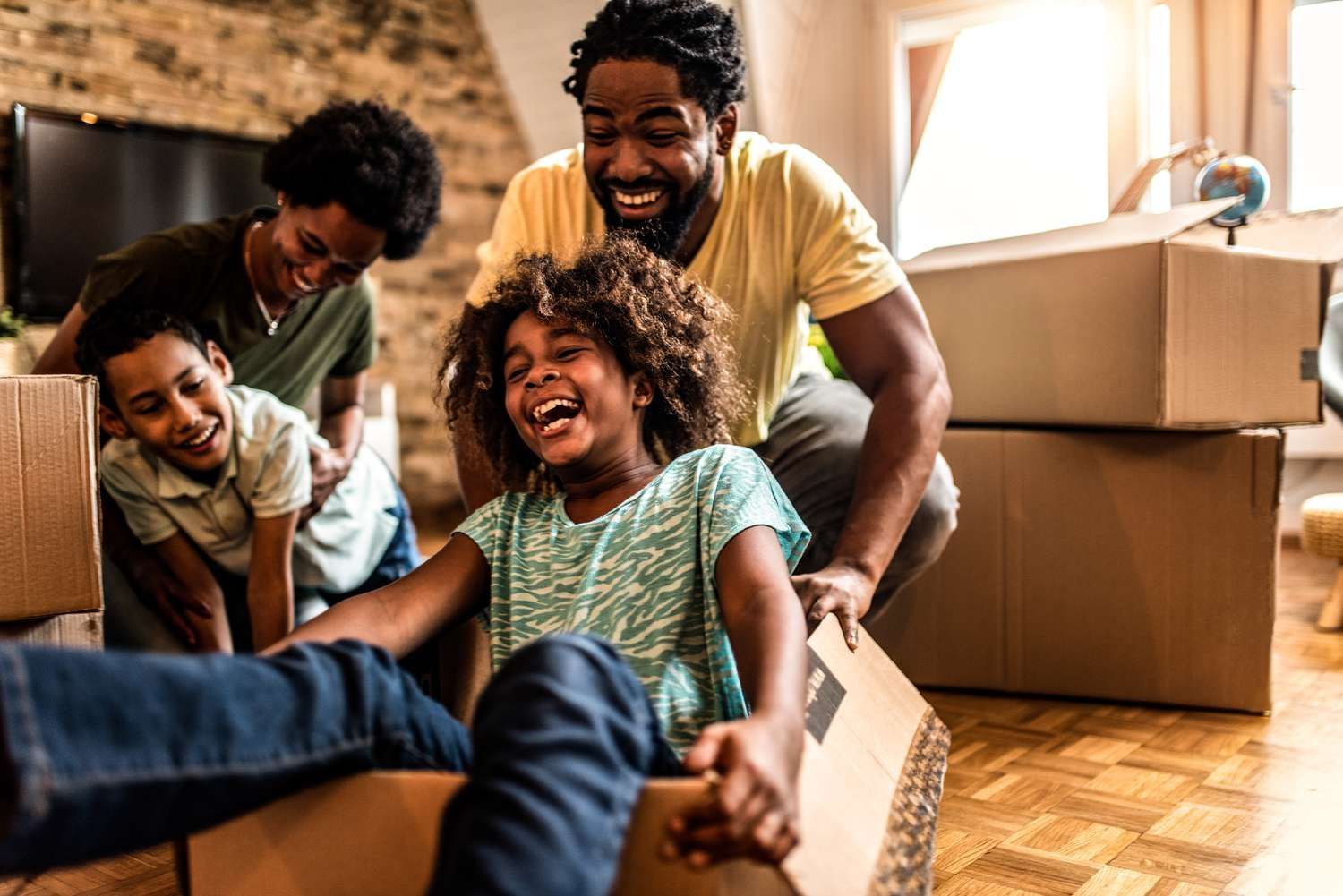
There's a reason why your child does better on school days
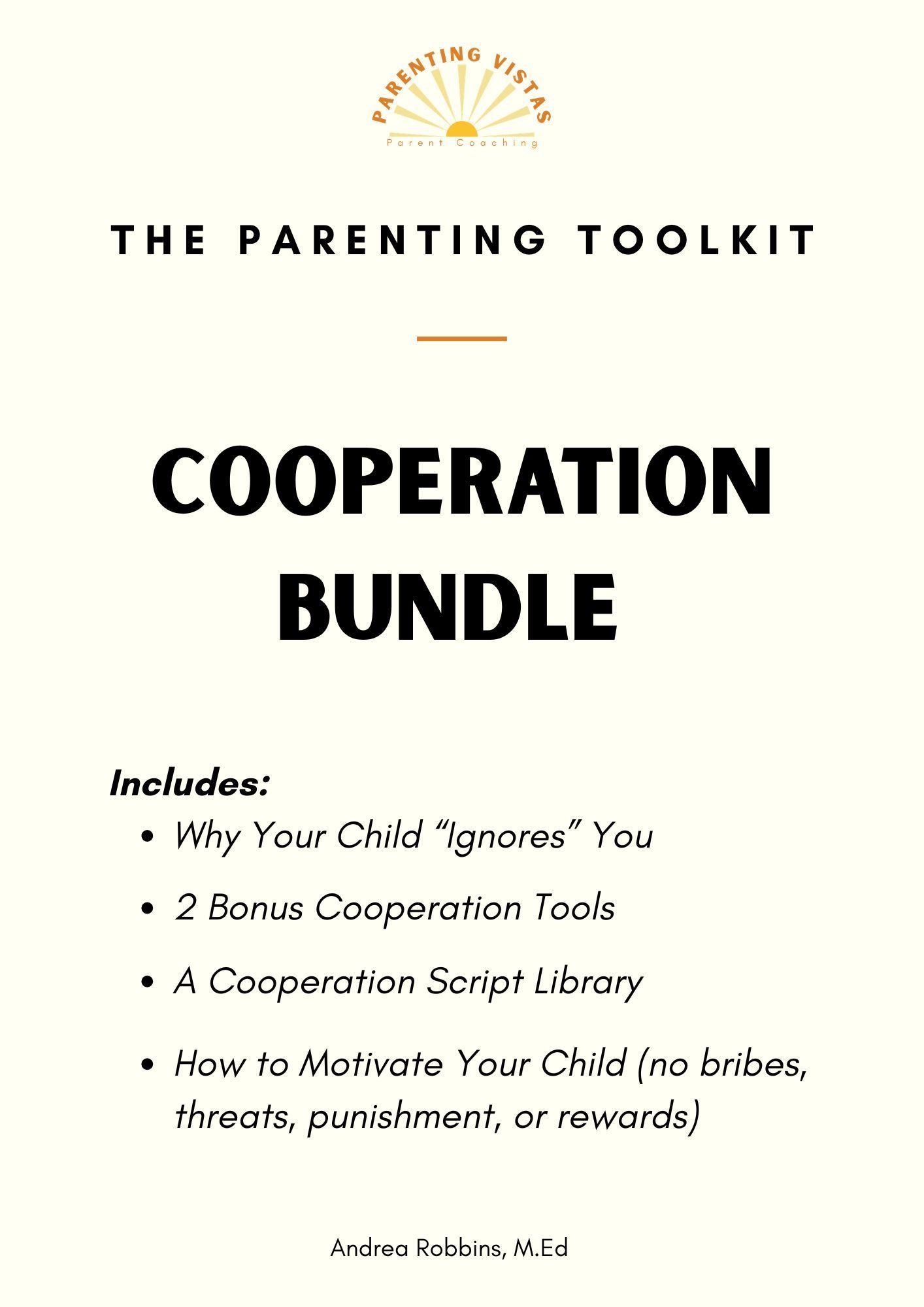
I'm really excited to share something new I've been working on! I'm creating a Parenting Toolkit , and the first resource of the bunch, The Cooperation Playbook, is finally here! The idea rose from my work with parents, where I kept seeing the same need: parents who want practical tools they can use in the moment, something they can easily access when they're completely overwhelmed and wondering, "What now?!" If you're a parent who is tired of repeating yourself (only to have your child still not listen) and getting stuck in power struggles, this is for you. In the Playbook , I break down the challenges behind your child not listening. Here you'll learn 6 tools to meet your child where they are, hold boundaries, and gain cooperation without yelling, threats, bribes, or rewards. You can find The Cooperation Playbook here or The full Cooperation Bundle here. The bundle includes: The Cooperation Playbook (11 pages), 2 bonus cooperation tools, a cooperation script library, and a guide on how to motivate your child for lasting cooperation I'm happy to answer any questions; you can respond directly to this email. Warmly, Andrea Robbins, M.Ed | Parent Coach | Parenting Vistas
Tips for a smoother start

What Charlie Brown was Trying to Tell Us

...and how it relates to parenting

The dreaded public meltdown
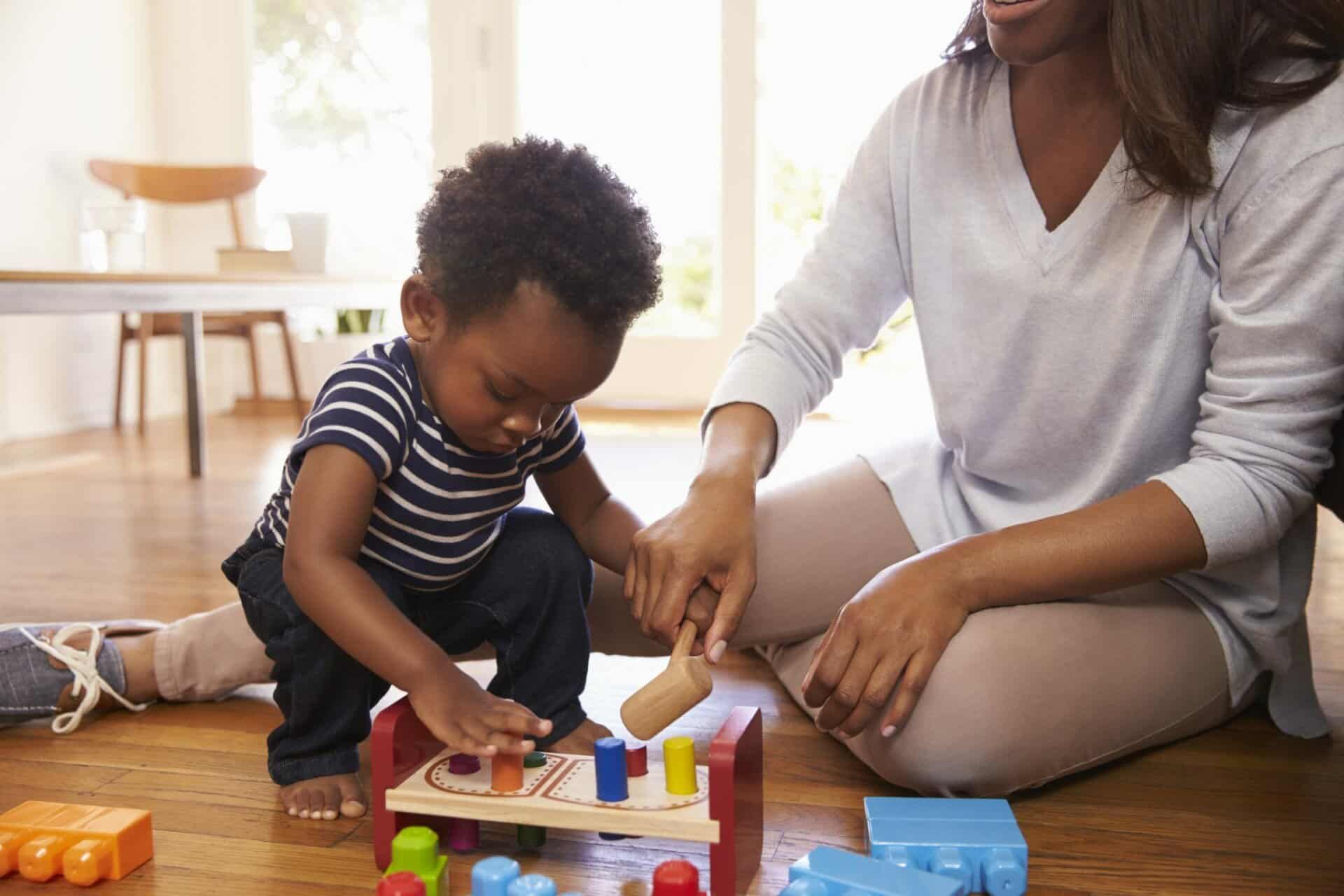
5 Simple Ways to Connect With Your Toddler (That Actually Leads to Cooperation and Resiliency) Connection isn’t something extra to do when there’s “time”. It's something you build into your everyday moments, and it’s what makes everything else work. 1. Get on their level Sit on the floor, make eye contact, and enter their world. This instantly decreases power struggles and invites connection (and cooperation) 2. 10 minutes of “Special Time” Let your toddler lead the play. No phone. No directing. Even 10-minutes of child-led play will fill their connection cup 3. Narrate: “I see you” “You're stacking the blocks so tall.” This helps your toddler feel seen and builds language at the same time. 4. Make transitions playful Transitions are hard for many toddlers, and they will resist being met with control. Toddlers typically respond better to connection and playfulness. This will lower resistance instantly. “Can you hop like a bunny (stomp like a dinosaur) to put your shoes on (brush your teeth)?” 5. Redo & Repair When things go off the rails, “Want a do-over?” “Can you try asking me again?” We all lose it sometimes, “I don’t like how I yelled. I’m working on staying calm.” These allow for learning from mistakes and building skills without shame. “Perfect” parenting is never the goal, but authentic parenting is. If you want to parent this way, but find yourself getting stuck in the moment, that's exactly what I help with in my program. Come join!